


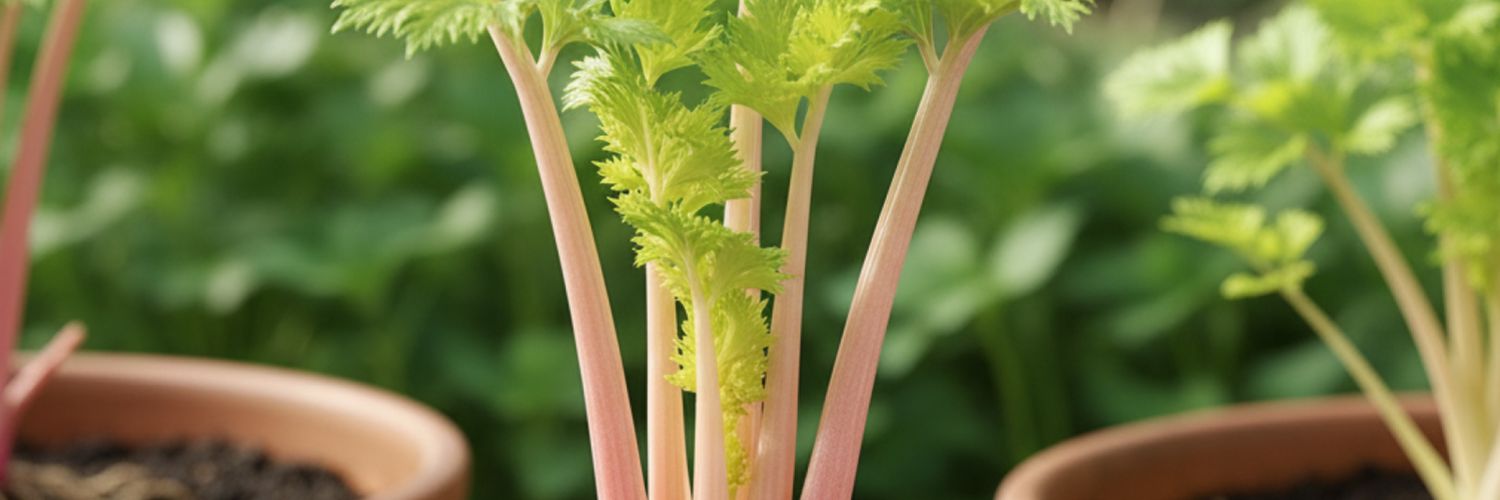

Growing up on a self-sufficient homestead, I’ve learned to appreciate the value of vibrant and flavorful produce, particularly those that thrive at high altitudes like here in Northern New Mexico. One of my favorite discoveries has been the Chinese Pink Celery. Its brilliant color and refreshing taste add a special touch to any dish. Plus, it’s an heirloom variety, meaning it’s been passed down for generations, making it a great fit for anyone building a resilient, self-sufficient garden. While managing a varied homestead can be challenging, watching these pink stalks flourish in my garden is truly rewarding. Let me share what I’ve learned about growing and caring for these delightful plants.
Celery: Chinese Pink – Vibrant, Flavorful, and Easy-to-Grow Heirloom Stalks for the Homestead
General Information
Plant Type
Chinese Pink Celery is a perennial in warmer climates, but in our cold climate, we grow it as an annual. It has a bushy appearance with striking pink stalks and bright green leaves.
Plant Size
Typically, these plants reach about 1 to 1.5 feet in height and spread about the same width. Their compact growth makes them suitable for small spaces in the garden.
Soil
Celery prefers a pH range of 6.0 to 7.0 and thrives in rich, well-draining soil. Here at high altitude, I always incorporate a generous amount of compost to boost organic matter and nutrients.
Companions
I’ve found that celery grows well alongside onions, members of the cabbage family, and bush beans. It’s also a handy plant to have near your tomato patch.
Days to Harvest
Chinese Pink Celery generally takes about 85 to 100 days to reach maturity from the planting date.
Getting Started
Starting this variety from seed requires early planning due to our shorter growing season. I recommend starting seeds indoors around 10 to 12 weeks before your last expected frost. Use seed trays filled with a seed-starting mix to provide the right balance of moisture retention and drainage.
Once the seedlings have sprouted and developed a couple of true leaves, it’s time to harden them off. Gradually introduce them to the outdoor conditions over a week, extending their time outside each day.
Plant Care
Caring for Chinese Pink Celery requires attention to its growth needs, but it’s quite manageable with the right knowledge.
Fertilizer
Celery is a heavy feeder. I apply a balanced organic fertilizer every couple of weeks. Look for signs of nutrient deficiency like yellowing leaves, and adjust your fertilization schedule accordingly.
Watering
Consistent moisture is crucial to avoid hollow stalks, which can occur from irregular watering. Aim for 1 to 1 1/2 inches of water per week, and mulch around the plants to retain moisture.
Sunlight
These plants do well with full sun but can tolerate partial shade. Here at my homestead, they receive about 6 to 8 hours of sunlight daily. Watch for any signs of sunburn, such as wilting during the hottest parts of the day.
Harvesting
Timing
Look for sturdy, crunchy pink stalks and mature green leaves as a sign of readiness. Depending on your climate, peak harvesting usually occurs in late summer.
Time
Harvest in the early morning when the plants are fully hydrated from the morning dew, as they’ll be at their most crisp.
Harvest
Use a sharp knife or garden shears to cut stalks at the base, being cautious to avoid damaging the rest of the plant, as it can continue to grow for further harvesting.
Collection
A basket with a sturdy handle works well for collecting your harvest without damaging the stalks.
Processing
After harvesting, clean the celery under cool running water to remove any soil. Trim the leaves and base, and then it’s ready for immediate use or storage.
Storage
Celery can be stored in several ways to maintain its freshness:
- Refrigeration: Wrap the stalks in a damp paper towel and place them in a plastic bag, leaving one end open. They’ll keep for about two weeks.
- Freezing: Chop the stalks and blanch them for 3 minutes before freezing. Blanching helps maintain color and texture.
Uses
Food
Chinese Pink Celery is more than a crunchy treat—it’s a versatile ingredient in the kitchen. Use it in salads for a colorful crunch, in soups for flavor depth, or even as a delightful addition to stir-fries.
Medicinal
While not typically used as a medicinal plant, celery has been known for its anti-inflammatory properties and can be part of a diet aimed at reducing blood pressure and promoting digestion. The stalks and seeds can both be utilized, typically consumed by incorporating them into meals or teas.
As you embark on your own journey with Chinese Pink Celery, remember that each plant represents a step toward a more sustainable, self-sufficient lifestyle. With a bit of patience and dedication, this heirloom variety can brighten your homestead and offer a taste of history in every bite.
Where To Buy
Full Transparency
NOTE: This article is produced through a hybrid process of both personal experience and AI generated content. All plant varieties listed are actual crops and varieties grown on my property along with my personal experiences. Plant facts and information are AI generated to provide expanded information and context (plant size, soil, etc). AI can make mistakes and it is best to verify information before applying it.