



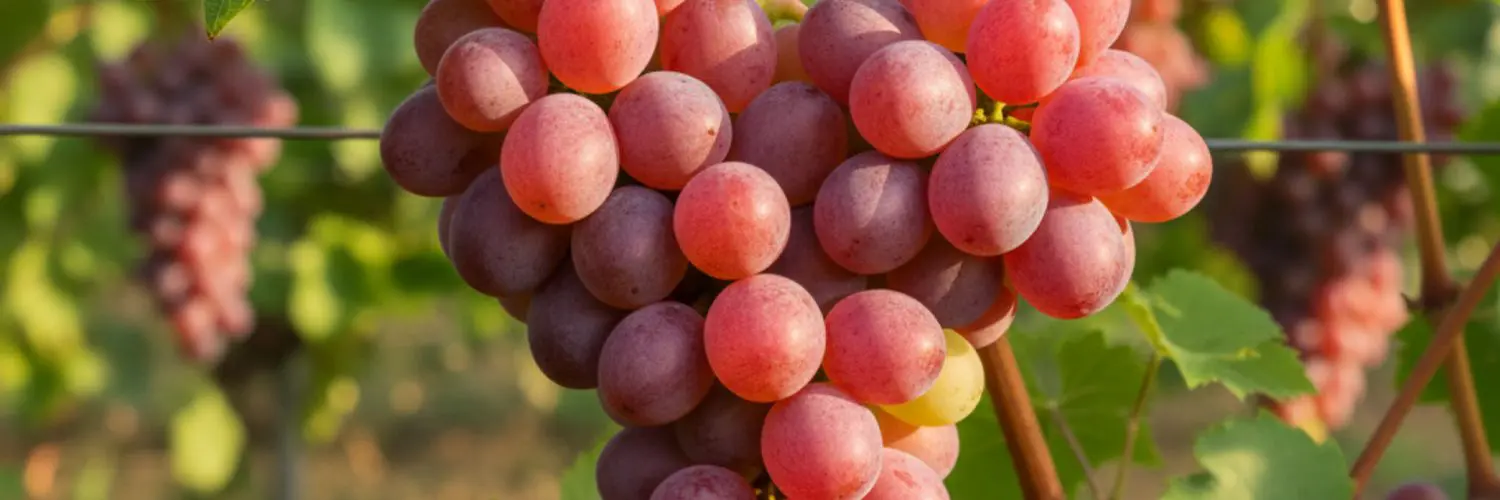

Starting and maintaining a homestead garden at high altitudes comes with its unique set of challenges, and after more than two decades of gardening experience, I’ve learned a lot from trying different plant varieties. One standout for me is the Grape: Suffolk Red—a versatile, hardy grape that has proven its worth in my Northern New Mexico homestead garden.
General Information
Growing grapes can be incredibly rewarding, especially when you stumble upon a variety as reliable and delightful as the Suffolk Red. It’s a deciduous plant, which means it sheds its leaves annually, and this helps it thrive through various seasons. The plant itself can become quite sizeable, typically reaching heights and widths of about 12-15 feet with proper support.
When it comes to soil, Suffolk Red grapes are fairly flexible. They do best in soils with a slight acidity—think somewhere between 5.5 to 6.8 pH—and prefer loamy, well-drained soil. I often plant them alongside anything that thrives with the same conditions, like certain herbs and flowers that help deter pests naturally.
The Suffolk Red grape is a fantastic choice for the northern gardener because it’s not only seedless and sweet, but also quick. You can expect to see your first crop roughly 75-90 days after planting—a fast turnaround that fits well within the short growing season we’re up against here at 8,500 feet above sea level.
Getting Started
The first step in growing Suffolk Red grapes is choosing a location with full sun. Grapes love sunlight, and this exposure helps to sweeten the fruits. I tend to prepare my planting spot in early spring. Here’s a simple roadmap for you:
- Site Preparation: Clear the area of weeds and rocks. Work the soil well and mix in compost or aged manure to boost fertility.
- Support Setup: Install trellises or similar structures that will support the vine as it grows.
- Planting: Dig holes just deep enough to fit the root system. Space your plants about 6-10 feet apart, to give each vine enough room to flourish.
- Initial Watering: Water each plant deeply to settle the roots into their new homes.
By following these steps, you’re setting a solid foundation for your grapevines to thrive.
Plant Care
Maintaining your Suffolk Red vines involves regular attention to keep them healthy and productive.
Fertilizer
Fertilize once in early spring right before the budding season. A balanced organic fertilizer works well, like a 10-10-10 mix, which I find promotes vigorous growth. If your leaves look yellowish, it might signal nutrient deficiency, while overly lush and green leaves could indicate over-fertilization.
Watering
Grape vines require about one inch of water per week. From experience, it’s better to water them deeply rather than frequently, which encourages the roots to grow deeper. Be on the lookout for wilting leaves, a sign of underwatering, or yellow, dropping leaves which might mean you’re giving them too much.
Sunlight
At our elevation, sunlight is not just abundant—it’s intense. While Suffolk Red grapes love the sun, watch for leaf burn. If the leaves appear scorched, adding a shade cloth during the hottest parts of the day can help protect them.
Harvesting
Timing is everything when it comes to harvesting Suffolk Reds. You’ll know they’re ripe when the berries are uniformly deep red and slightly soft. I generally harvest in the early morning when temperatures are cooler, reducing stress on the plants.
Using a small pair of garden scissors or pruners, gently cut the grape clusters from the vine to avoid damaging the plant. This task can be meditative, a moment to appreciate the cycle of growth that your careful planning has fostered.
Processing
After harvesting, the grapes should be rinsed gently under cool water to remove any dust or insects. After washing, lay the grapes out to dry on a clean towel. From here, they’re ready for fresh eating or further preservation.
Storage
Suffolk Reds can be stored in several ways, helping you enjoy them beyond their growing season:
- Fresh Storage: Keep them in a cool, dry place for short-term storage or refrigerate them in perforated plastic bags to extend their freshness for a few weeks.
- Freezing: Lay washed grapes on a baking sheet to freeze, then store them in airtight containers or freezer bags. This method preserves them for months and is perfect for smoothies or snacks.
Uses
Food
These grapes are delicious straight off the vine. They’re also excellent in fruit salads, jams, jellies, or even homemade wine for those wishing to experiment.
Medicinal
The Suffolk Red grapes pack antioxidants, which are great for boosting overall health. They’re a natural sweet treat that contributes to a balanced diet and can be part of a natural remedy approach to maintaining health.
Growing Suffolk Red grapes is a fulfilling experience that ties into the broader goal of self-sufficiency and sustainability. By sharing these methods, I aim to support others on their gardening journey, encouraging resilience and abundance in even the highest and coldest of homesteads.
Where To Buy
Full Transparency
NOTE: This article is produced through a hybrid process of both personal experience and AI generated content. All plant varieties listed are actual crops and varieties grown on my property along with my personal experiences. Plant facts and information are AI generated to provide expanded information and context (plant size, soil, etc). AI can make mistakes and it is best to verify information before applying it.