





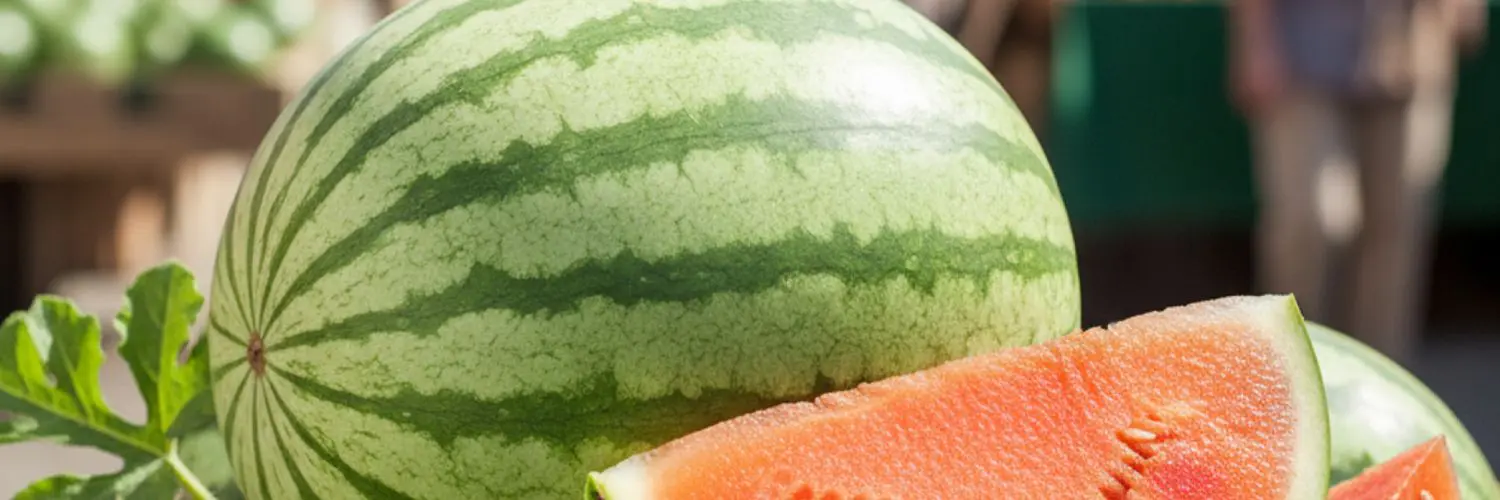

Planting watermelons in a high-altitude homestead garden like mine in Northern New Mexico is no small feat. We’re all here to learn how to grow our own food and strive for a better self-sufficient life, despite the challenges of shorter growing seasons and high elevation. One of my favorite watermelon varieties for this is the Orange Crisp. This seedless fruit has made quite a splash in my garden with its crisp texture, incredibly sweet flavor, and impressive yield. Let me walk you through how to make this delightful variety a part of your garden.
Watermelon: Orange Crisp
General Information
The Orange Crisp watermelon is a warm-season fruit, much like most watermelon varieties. It grows on vine-like annual plants, which means they complete their lifecycle in a single growing season. These plants can spread widely, and you should expect each vine to reach lengths of up to 10 feet. The fruit itself can grow quite large, typically weighing in between 14 to 18 pounds.
For soil, these watermelons favor slightly acidic to neutral pH levels—around 6.0 to 6.8. They prefer well-drained, sandy loam soils, which I happen to have thanks to the topography of my land here.
If you’re wondering about companion plants, consider planting them with flowering herbs like basil. These not only deter pests but also attract beneficial insects, boosting pollination and thus increasing yield.
The average time from planting Orange Crisp seeds to harvesting the first ripe fruit is around 85 days. At this altitude, timing is everything, so plan your planting and harvesting windows accordingly.
Getting Started
Given our high-altitude gardening challenges, starting watermelons early can help ensure a successful harvest. I suggest starting seeds indoors in biodegradable pots about three to four weeks before the last expected frost date. This approach helps the plants to get a head start in controlling the growing conditions like light and temperature.
When the soil temperature consistently reaches about 70°F—usually a bit later in the season for us here—it’s time to transplant them outdoors. Consider using plastic ground covers to warm the soil and bring up soil temperatures faster in the spring.
Plant Care
Fertilizer
Watermelons are heavy feeders. I use a balanced fertilizer or one focused on phosphorus to promote fruit growth. It’s best to fertilize when planting and again once the blossoms start appearing. Watch for yellowing leaves, as this may indicate a lack of nutrients, while overly lush foliage with little fruit may suggest too much nitrogen.
Watering
These melons need consistent watering, especially during the flowering and fruiting stages. Aim for about 1 to 2 inches of water per week. Be cautious not to overwater as it can lead to root rot. You’ll know they need more water if the leaves start wilting in the morning.
Sunlight
These watermelons love the sun, so a location that receives full sun throughout the day is crucial. Signs of too much sun stress are leaf scorching and wilting, but it’s not common here due to our cooler climate.
Harvesting
Timing
Picking the perfect moment to harvest is part of the art of growing watermelons. The telltale sign is when the tendril closest to the fruit dries out and turns brown. Another cue is that the spot where the fruit touches the ground turns a cream-yellow color.
Time
Harvesting in the morning is often best because it’s cooler, which reduces stress on the plant and the fruit.
Harvest
When you’re ready to harvest, use pruning shears or a sharp knife to cut the watermelon from the vine. Always leave a few inches of vine attached to the fruit to keep it fresh longer.
Collection
A sturdy wheelbarrow or a garden cart is ideal for transporting harvested watermelons from the patch to wherever you process them.
Processing
Once harvested, brush off any soil and rinse them briefly in water. Avoid soaking them, as they can become waterlogged. Dry them thoroughly with a cloth before storing or slicing.
Storage
These watermelons can be stored in a cool, dry place for up to 2 weeks. If you want longer storage, consider refrigeration. Vacuum sealing cut pieces can extend their freshness for several days, keeping that remarkable taste fresh.
Uses
Food
The Orange Crisp watermelon is best known for its sweet, juicy flesh—a delightful addition to any summer picnic. Besides eating it fresh, you can blend it into refreshing smoothies or use it in fruit salads. My family also loves grilling it for a unique, caramelized treat.
Medicinal
While not traditionally medicinal, watermelon is hydrating and high in vitamins A and C. It’s a great fruit to include in any diet focused on well-being due to its antioxidant and anti-inflammatory properties.
Growing the Orange Crisp watermelon on my homestead has taught me a lot about patience and reward. While the right timing and conditions are key, the resulting harvest is incredibly satisfying. I hope these tips will help you enjoy this sweet fruit as much as we do. Happy growing!
Where To Buy
Full Transparency
NOTE: This article is produced through a hybrid process of both personal experience and AI generated content. All plant varieties listed are actual crops and varieties grown on my property along with my personal experiences. Plant facts and information are AI generated to provide expanded information and context (plant size, soil, etc). AI can make mistakes and it is best to verify information before applying it.