






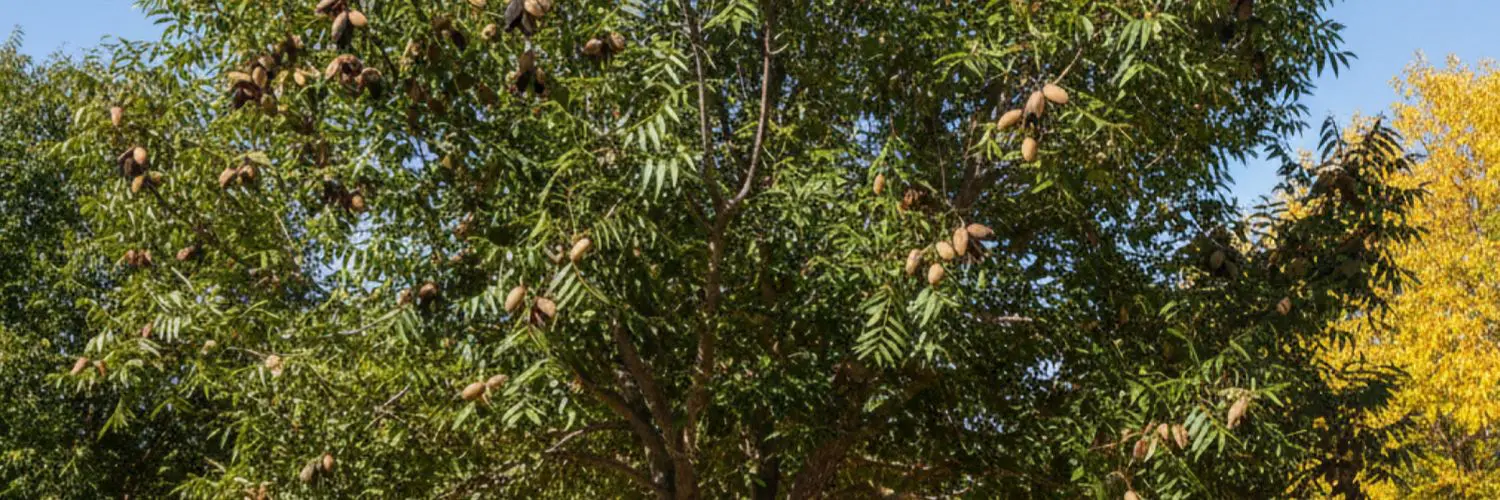

Planting the Pawnee pecan variety in my Northern New Mexico homestead garden has been quite the adventure. As someone who loves trialing different plants in high-altitude conditions, I can tell you this journey has just begun. High-altitude nut growing is relatively new to me, but Pawnee’s reputation for being cold-hardy makes it a promising candidate for our sometimes challenging climate.
Pawnee Pecan: Cultivating High-Quality Nuts
General Information
Plant Type
Pawnee pecan trees are deciduous, which means they lose their leaves in the fall. This tree can be a magnificent presence on any homestead, offering both shade and nutritious nuts.
Plant Size
The Pawnee pecan can reach impressive sizes, typically growing up to 30 to 50 feet tall with a spread of about 25 to 40 feet. This makes it a perfect option for those looking to add substantial yet manageable foliage to their land.
Soil
These trees prefer a slightly acidic to neutral soil pH, somewhere between 6.0 and 7.0. They’re quite adaptable but thrive in moist, well-drained soil laden with organic matter, a consideration that’s crucial when you’re prepping the land on a homestead.
Companions
While they don’t directly companion with garden plants, spacing other trees like hazelnuts or walnuts in the vicinity can be beneficial. These trees share similar soil preferences, making them good neighbors.
Days to Harvest
On a high elevation homestead like mine, pecans may take a few more years to mature. Typically, these trees start producing nuts after five to seven years, but patience is indeed a virtue with pecans. Once they come into production, the nuts are of excellent quality and often ready for harvest by October.
Getting Started
Starting the Pawnee pecan begins with selecting the right site. You’ll want a sunny location that allows the tree plenty of space to stretch into its full form over the years. Good drainage is essential. Here in the mountains, that can be achieved with raised beds or planting on a gentle slope. Begin by planting bare-root or container trees in early spring to give them plenty of time to establish before winter. Be sure to plant them at the correct depth, ensuring the graft union is above the soil line.
Plant Care
Once the pecan tree is in the ground, appropriate care ensures its slow yet reliable growth.
Fertilizer
Pecan trees benefit from regular feeding. Use a balanced fertilizer in late winter or early spring. For those of you on homesteads, making do with what you have is best, so composted manure can serve well given its natural nutrients. A yellowing leaf can signal a need for fertilizer, indicating nitrogen deficiency.
Watering
Consistent watering is crucial, especially in those first few years. I water deeply every week when the weather’s dry, ensuring the soil is moist but not soggy. Over-watering will lead to root rot, while under-watering would dry out the foliage. Checking soil moisture regularly will help keep these conditions in check.
Sunlight
Pawnee pecans love the sun, but too much heat at high altitudes can stress young trees. Look for any signs of leaf scorch, like brown, crispy edges, and consider using shade cloth during the hottest part of the day until the tree establishes.
Harvesting
Even though I haven’t crossed that bridge yet, learning from fellow homesteaders provides a clear idea of the process.
Timing
You’ll know it’s time to harvest when the husks open and the nuts begin to fall. Shake the branches lightly to hasten the drop of mature nuts.
Time
The best time of day to gather pecans is late morning on sunny, dry days. This avoids morning dew and ensures the nuts are clean and dry.
Harvest
Pecans can be hand-picked from the ground or gently raked onto a tarp. Avoid using too much force or you might damage the nuts.
Collection
Using a small nut roller or rake can be incredibly efficient when working with numerous trees. Just roll it over the ground and watch it gather the harvest for you.
Processing
Processing pecans involves drying them properly. Lay the harvested nuts in a warm, dry place with good ventilation for about two weeks. This helps in retaining flavor and nutritional quality.
Storage
Once dried, pecans can be stored for long durations, essential for self-sufficient homesteading.
Storage Methods
– **Shelled Pecans**: Store in airtight containers in a cool, dry place. The fridge extends their shelf life up to nine months, while the freezer can keep them fresh for up to two years.
– **In-Shell Pecans**: Preferable if you have the space, as the shell offers natural protection. Kept in a cool spot, they remain viable for a year.
Uses
Food
Pecans are incredibly versatile. I like indulging in them straight out of the shell or incorporated into hearty dishes like pecan pie or pecan-crusted chicken. They’re also great for snacking and adding crunch to salads.
Medicinal
While not a traditional medicinal plant, pecans are packed with heart-healthy fats and antioxidants that contribute to overall well-being. This makes them a staple in any health-conscious homesteader’s pantry.
Growing Pawnee pecans here at high altitude is a project in patience, yet it’s clear that their eventual bounty will justify the effort. In the spirit of homesteading, every season spent nurturing these trees enhances both self-reliance and sustainability. As the years go by, I eagerly await the day these majestic trees become a central part of our self-sufficient lifestyle.
Where To Buy
Full Transparency
NOTE: This article is produced through a hybrid process of both personal experience and AI generated content. All plant varieties listed are actual crops and varieties grown on my property along with my personal experiences. Plant facts and information are AI generated to provide expanded information and context (plant size, soil, etc). AI can make mistakes and it is best to verify information before applying it.