


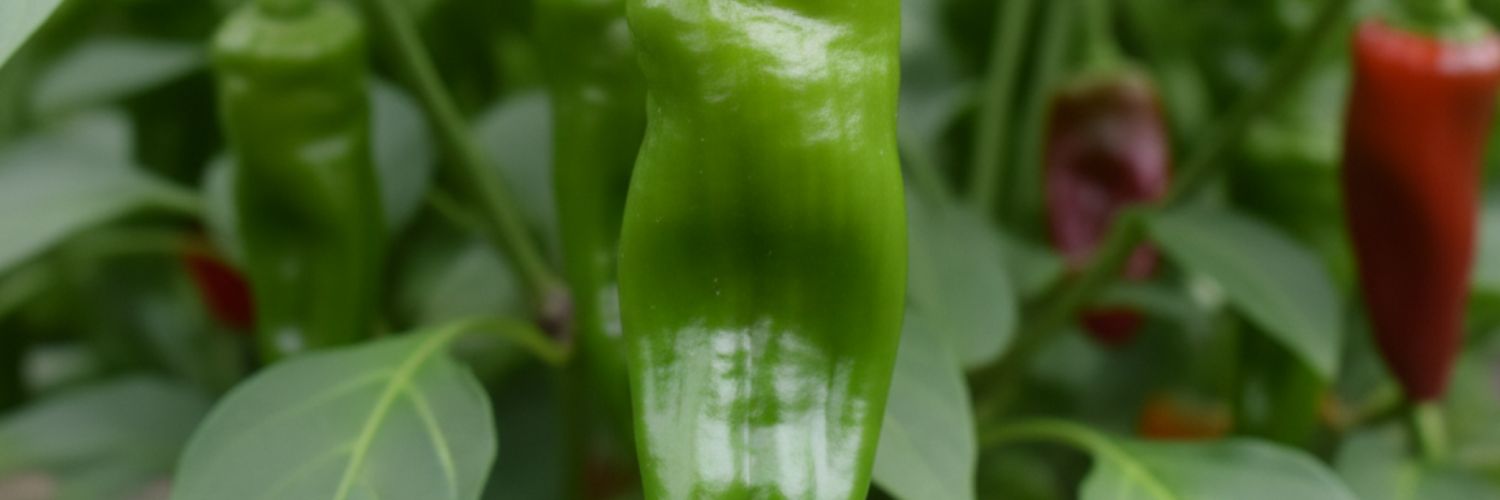

As someone who loves cooking and experimenting in the kitchen, I’ve always had a soft spot for Shishito peppers. These little green gems bring a mild heat that adds a burst of flavor without overshadowing a dish, making them my go-to for all kinds of meals. It wasn’t long before I realized buying them wasn’t as satisfying as growing my own, so I embarked on the adventure of cultivating them on my homestead here in Northern New Mexico.
General Information
Hot peppers like the Shishito are a type of bushy annual plant known for their mild heat and flavorful bites. When grown, these plants typically reach a compact size of about 18 to 24 inches in height and spread about 12 to 18 inches wide, making them perfect for small spaces—or dotting around your homestead. They prefer slightly acidic to neutral soil, so aim for a pH level between 6.0 and 7.0.
Companion planting is always a smart move, and with Shishito peppers, pairing them with carrots, onions, and basil can enhance their growth. After planting, you can expect your first harvest within 60 to 75 days—plenty of time to savor these tasty treasures before the short growing season wraps up.
Getting Started
To kick things off right, start by planning your planting layout a few months before the last frost date. Given our high altitude and the colder climate here, it’s best to start seeds indoors 8 to 10 weeks before transplanting them outside, typically after you’re sure the last frost has passed.
Plant your seeds in biodegradable pots filled with a high-quality seed-starting mix. Make sure the pots are placed in a sunny window or under grow lights to mimic the longer days of spring. Once the seedlings sprout and develop two sets of true leaves, they’re usually ready for relocation. At this point, you can begin hardening them off, which means gradually exposing them to the elements by setting them outside for a few hours each day.
Plant Care
Caring for Shishito peppers requires a balanced approach. Like any plant, they need the right mix of nutrients, water, and sunlight. Use a fertilizer high in potassium and phosphorus, especially once they start setting fruit. Over-fertilizing can lead to lush, leafy growth but meager fruit production—so watch for signs like excessively green leaves that might indicate a need to cut back on nutrients.
Watering can be a bit of a dance, particularly with our variable weather. Shishito peppers enjoy consistently moist soil but can suffer from root rot if overwatered. Typically, I water them deeply once a week, adjusting as necessary with rainfall. If you notice the plants wilting in the middle of the day and the soil feels dry, it’s usually an indication to increase watering.
These peppers love sunshine—at least 6 to 8 hours of full sun a day. Too little sun, and you may see small, underdeveloped fruits. Too much harsh midday sun, however, might cause them to wilt, so providing afternoon shade or ensuring they’re adequately watered beforehand can help.
Harvesting
Shishito peppers are best harvested when they are vibrant green and about 3 to 4 inches long. The texture should be firm but slightly giving when pressed. I tend to harvest in the morning once the dew has dried; this is when plants are less stressed, and the peppers stay crisp.
To harvest, use clean garden shears or scissors to snip the peppers from the plant, leaving a small portion of the stem attached. Be cautious not to damage the branches since these plants can produce fruit prolifically throughout the growing season with the right care.
Processing
After harvesting, cleaning your peppers is a breeze. Simply rinse them under cool water to remove any dirt or dust. Use a soft bristle brush if needed but be gentle to avoid bruising these delicate fruits.
Storage
For Shishito peppers, short-term storage in the refrigerator works great. Place them in a paper or plastic bag and store them in the crisper section; they should remain fresh for up to two weeks. If you have an abundant harvest, consider drying them or freezing for later use. To freeze, wash and dry the peppers, then lay them on a baking sheet in a single layer. Once frozen, you can transfer them to a freezer-safe bag, where they’ll keep for several months.
Uses
One of the things I love about Shishito peppers is their versatility in the kitchen. They’re excellent blistered in a hot skillet with a bit of olive oil and sea salt—a snack that never lasts long. They pair well with grilled meats, tossed into stir-fries, or even added to salads for a crunch that’s both subtle and satisfying.
Though Shishito peppers don’t have a traditional medicinal profile, as a nourishing food, they provide a slew of vitamins like vitamin C and other antioxidants—keeping you healthy while you enjoy their flavorsome crunch.
Growing Shishito peppers on my homestead has become a rewarding part of my gardening routine. It’s not just about having a fresh supply of tasty ingredients but about connecting with the food I love to cook and sharing that journey with others curious about self-sufficiency. So, whether you’re just starting or looking to expand your garden, adding a few Shishito plants can add a delightful new edge to your homestead.
Where To Buy
Full Transparency
NOTE: This article is produced through a hybrid process of both personal experience and AI generated content. All plant varieties listed are actual crops and varieties grown on my property along with my personal experiences. Plant facts and information are AI generated to provide expanded information and context (plant size, soil, etc). AI can make mistakes and it is best to verify information before applying it.