




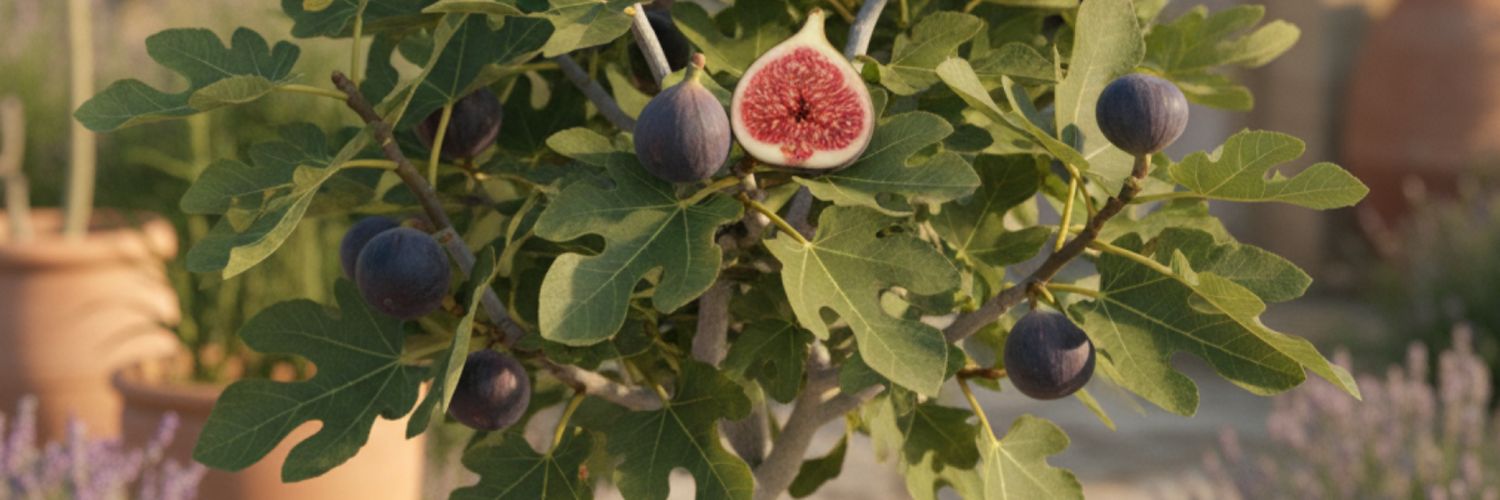

Figs have always been one of those fruits I’d admired from afar. Living at high altitudes, especially in Northern New Mexico at about 8,500 feet, creates its unique set of challenges. However, the Violette de Bordeaux variety caught my attention due to its reputation for being more cold-hardy than other figs. Intrigued by its potential and craving a taste of that berry-flavored sweetness, I decided to add several seedlings to my homestead garden to see how they’d fare here.
General Information
Plant Type
This fig variety is typically a bush or small tree, which works wonderfully for those of us with limited space. It’s deciduous, meaning it will shed its leaves in the fall, giving it room to conserve energy during the colder months.
Plant Size
The Violette de Bordeaux fig grows to an average height and width of about 6 to 10 feet. This makes it compact enough for smaller yards or even large pots, which is particularly handy if you’re like me and plan on bringing them indoors for the harsh winters.
Soil
Figs prefer a soil pH between 6.0 and 6.5, which is slightly acidic to neutral. Well-draining soil is crucial, as they don’t like to have “wet feet.” A mix of loamy soil with some added organic matter is ideal to keep them happy and productive.
Companions
Figs enjoy the company of companions like strawberries, onions, and garlic. These plants not only make great mulch partners but can also help deter pests naturally.
Days to Harvest
From the time you plant your fig, it can take about 120 to 135 days to harvest your first fruits, depending on the growing conditions and climate. Given our shorter growing season in the mountains, I plan to extend the growing time a bit by starting them early indoors.
Getting Started
When I first got my seedlings, I chose an area that received full sun throughout the day, as figs love their sunlight. With our unpredictable mountain weather, I’ve found it essential to create a windbreak, either naturally with other plants or using human-made structures, to protect these young plants from harsh winds.
Since the soil here is rocky, I amended the planting area with well-aged compost and a bit of perlite to ensure adequate drainage. A good practice I’ve implemented is adding a thick layer of organic mulch after planting, which helps retain moisture and encourages a healthy microbial community.
Plant Care
Fertilizer
Fig trees aren’t that demanding when it comes to feeding. I add a balanced fertilizer about once in early spring, just as the buds start to swell. However, be cautious—too much fertilizer, especially nitrogen, can lead to more leafy growth at the expense of fruit production.
Watering
Consistency is key. I water my fig trees weekly, soaking the soil thoroughly each time. Over-watering can lead to root rot, while under-watering stresses the plant, causing it to drop leaves. Keeping an eye on the weather and adjusting accordingly can help maintain that sweet balance.
Sunlight
Full sun is non-negotiable. Figs thrive with 8 to 10 hours of direct sunlight daily. If the leaves seem scorched, offering a little afternoon shade, especially in peak summer, might be necessary.
Harvesting
Timing
The best indicator that a fig is ready for harvest is its softness and slight droop from the branch. This is when the sugars are the most concentrated.
Time
I prefer to harvest in the morning when the fruit is at its juiciest, and the herbs that I’ve often planted nearby offer a lovely fresh aroma.
Harvest
When picking figs, always use one hand to support the base of the fruit while gently twisting it off with the other. This reduces stress on the plant and minimizes the risk of damage.
Collection
A simple basket or a breathable cloth sack is perfect for collecting figs. They bruise easily, so gentle handling is crucial.
Processing
After picking, I rinse the figs under cool water to remove any dust followed by drying them on a clean towel. If you’re not eating them immediately, this ensures they stay fresher for a longer period.
Storage
Fresh figs can be stored in the refrigerator for about 2-3 days. For longer storage, try drying them. Simply slice the figs and use a food dehydrator, or lay them on a wire rack in a warm, dry spot until they’re leathery to the touch.
Uses
Food
Figs are a delightful treat fresh off the tree. They’re excellent in salads, as a topping for yogurt, or even grilled with a bit of goat cheese—something I’m eagerly anticipating once my own figs are ready to harvest.
Medicinal
While I’m no herbalist, I’ve read that figs feature in traditional remedies for digestive health. Consuming them fresh or dried can offer gentle fiber support and a nutritional boost.
Getting these figs to thrive high up in the mountains has turned into both an experiment and a gratifying journey. They bring a touch of the exotic to my homestead, and with the right care, I’m optimistic they’ll become a cherished component of my self-sufficient gardening enterprise.
Where To Buy
Full Transparency
NOTE: This article is produced through a hybrid process of both personal experience and AI generated content. All plant varieties listed are actual crops and varieties grown on my property along with my personal experiences. Plant facts and information are AI generated to provide expanded information and context (plant size, soil, etc). AI can make mistakes and it is best to verify information before applying it.