






Cucumbers are a delightful addition to any homestead, especially when you’re dealing with limited garden space. This year, I’m excited to try a new variety of bush cucumbers. They promise to be compact, disease-resistant, and notably prolific, which seems perfect for my Northern New Mexico homestead. With our unique micro-climate and elevation, I’m quite curious to see how well these cucumbers adapt.
Cucumber: Bush – Compact, Disease-Resistant, and Prolific Vines
General Information
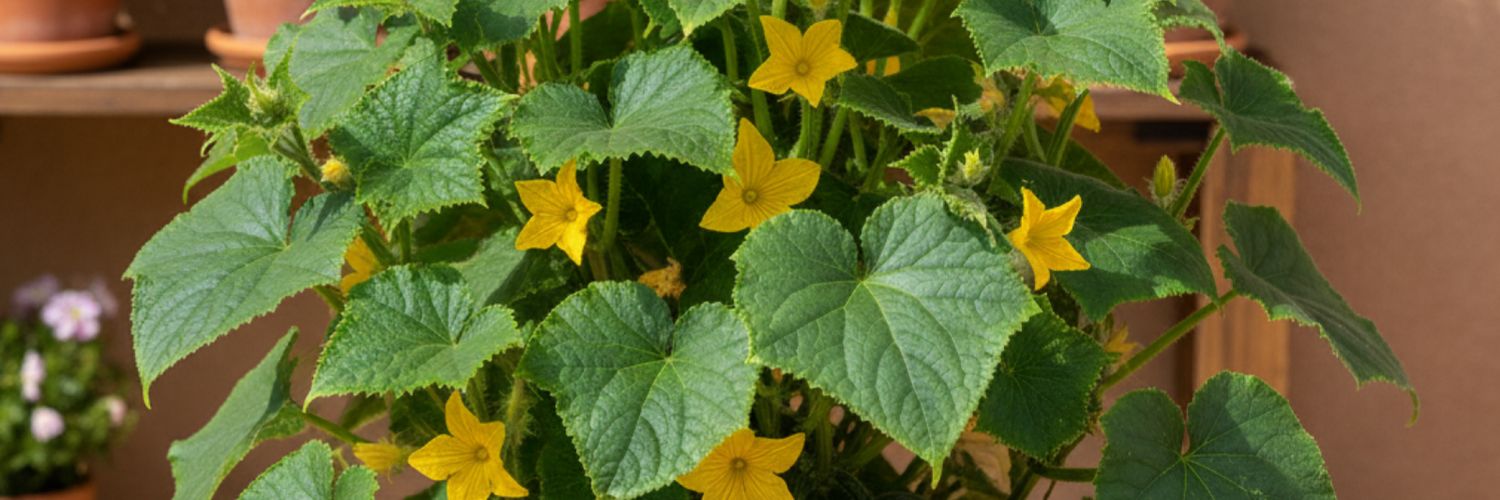
Bush cucumbers are a type of annual plant, which means they complete their life cycle in a single growing season. Unlike their vining counterparts, bush cucumbers grow as a compact shrub, making them ideal for small spaces or container gardening. This variety can reach about 2 to 3 feet in both height and width. The compactness is beneficial for our homestead’s shorter growing season.
Regarding soil, cucumbers prefer slightly acidic to neutral pH values around 6.0 to 7.0. They thrive in well-draining, nutrient-rich soil. I’ve found that introducing companions like beans and sunflowers can help ward off pests and improve soil health. Typically, you can expect cucumbers to be ready for harvest around 55 to 65 days after planting. That’s quite manageable for a quick-growing summer crop.
Getting Started
The growing season in my region is shorter due to the high altitude, so starting cucumbers indoors is advantageous to get a head start. Begin by sowing seeds about ½ inch deep in seed-starting trays 3 to 4 weeks before the last expected frost. Keep them in a sunny location, providing temperatures around 70°F for optimal germination.
Once the risk of frost has passed, and the soil temperature has warmed to at least 65°F, you can transplant the seedlings outside. Be sure to acclimate them to outdoor conditions gradually over a week before planting them in your garden or large containers.
Plant Care
Caring for bush cucumbers involves a routine that’s easy to manage but requires diligence.
Fertilizer
Cucumbers are heavy feeders. I typically prepare the soil with a balanced fertilizer before planting. Throughout the growing season, side-dress with a high-nitrogen fertilizer every 4 to 6 weeks. Signs of nutrient deficiency include yellowing leaves, while excess fertilizer can lead to lush growth but little fruit. Always follow the recommended amounts, as cucumbers are sensitive to over-fertilization.
Watering
Consistent watering is crucial. Aim to provide 1 to 1.5 inches of water per week, focusing on delivering deep waterings to encourage strong root systems. To avoid root rot, ensure the soil is well-drained and never soggy. Wilting leaves can indicate drought stress, while yellowing leaves may be due to overwatering.
Sunlight
Bush cucumbers flourish with at least 6 to 8 hours of sunlight daily. Monitor for any signs of sunburn, such as bleached or withered leaves, particularly in the height of summer. If necessary, provide some afternoon shade to protect the plants during extreme heat.
Harvesting
The right time to harvest bush cucumbers is when they are firm and roughly 6 to 8 inches long, depending on the variety. Picking cucumbers regularly promotes further fruiting. Aim to harvest early in the morning when temperatures are cooler, ensuring the cucumbers are crisp and water loss is minimal.
When harvesting, gently twist or use a pair of garden scissors to snip the cucumbers from the vine, being careful not to disturb the plant. A sharp knife or scissors helps avoid damaging the plant, which can occur if you pull the fruit directly from the vine.
Processing
After harvesting, it’s best to rinse cucumbers under cool, running water to remove any residue or dirt. Pat them dry with a clean towel. From here, they can be directly used in salads or pickled for later enjoyment.
Storage
Fresh cucumbers store best in the refrigerator’s crisper drawer, lasting up to a week. For extended storage, consider pickling the cucumbers. To do this, wash the cucumbers thoroughly, slice them into desired shapes, and immerse them in a vinegar-based brine. Properly processed jars can last up to a year when stored in a cool, dark place, providing a delicious tang year-round.
Uses
Food
Cucumbers are versatile in culinary uses. They are perfect in salads, sandwiches, and as a refreshing summer snack. Their crisp texture and mild taste compliment many flavors, making them a staple in various dishes. Pickling cucumbers add a punchy flavor to foods and serve as a handy preserve for winter months.
Medicinal
Beyond culinary uses, cucumbers have beneficial medicinal properties. They can soothe skin when used topically and are hydrating when consumed, supporting overall skin and hair health. Although not a substitute for medical treatments, cucumbers provide a natural boost to your daily health routine.
Growing bush cucumbers on my homestead is an experiment I’m eager to see unfold. With these practices, I have high hopes that this new variety will become a mainstay in my garden, making the most of our unique Northern New Mexico climate. By sharing these insights, I aim to guide you as well in cultivating a successful cucumber crop, no matter the size of your own garden.
Where To Buy
Full Transparency
NOTE: This article is produced through a hybrid process of both personal experience and AI generated content. All plant varieties listed are actual crops and varieties grown on my property along with my personal experiences. Plant facts and information are AI generated to provide expanded information and context (plant size, soil, etc). AI can make mistakes and it is best to verify information before applying it.