






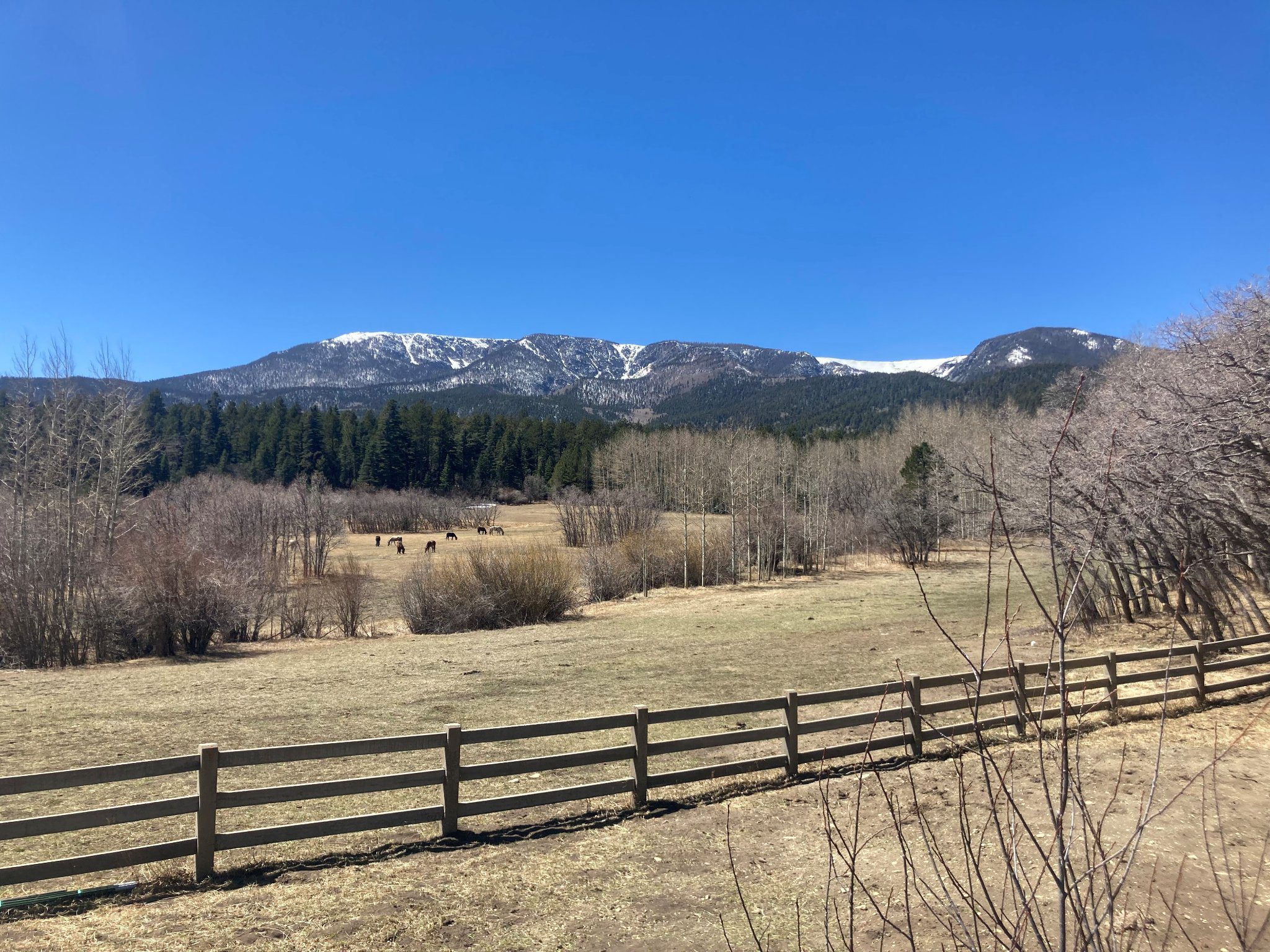

I feel lucky to have found what I consider to be the most perfect homesteading and prepper property ever.
It took a lot of hard thought, thinking through things, and defining exactly what I wanted and needed in a property for my purposes. Then it took over 4 years of property shopping across the entire United States to find it. But it was worth every minute and every penny to get it!
I’m going to share the process that I went through to find my perfect property to help you along in the journey to find yours!
Prerequisites
There are a few prerequisites before you ever make a big decision in your life – any decision – including buying a homestead or prepper property. Please determine these before property shopping.
Know Thyself
- Know who you are
- Know what you want
Once you know who you are, you can then determine what you want. This applies to choosing the perfect property based on who you are and what you want out of it.
Below is the checklist I used when shopping for my perfect property that fit exactly into who I am and what I wanted to do with it. You can use this list as a guide and add to it, remove from it, modify it as needed. Starting from a blank page is the hardest thing, hopefully this makes defining your perfect property easier.
Time & Money
If you have time, you can save money.
If you have money, you can save time.
If you have time + money, go do all the things!
When it comes to building a homestead or a prepper property, it really comes down to two things: time and money.
If you don’t have money, but have time, then build slower and do what you can, when you can, with what you have at the time. It’s as simple as that. Don’t stress about it. Just keep building a little bit every day. Small steps every day will get you farther than anything else and when you look back in a few months or a year, you will realize how much you can accomplish with time.
Property Prioritization
When creating your homestead property or prepper property checklist, you need to prioritize your list by putting ‘unchangeable’ things first. Invest heavily in the unchangeable things such as water access, weather, elevation, location. You can’t change any of those things no matter what. Be prepared to pay a pretty penny for those items. If it’s a choice of a perfect land situation with a dumpy house, buy it. Do not prioritize things you can change later (house, infrastructure, etc). Buy the dumpy house on the perfect property. Just do it.
Buy The Unchangeable
Water
The most critical component of a property being considered for a homestead or prepper property is water. Never – and I mean NEVER – buy a property without water access and more preferably one with water rights (mostly a Western US thing).
This is probably one of the biggest mistakes I see people make when property shopping is they go for cheap and remote, but never consider how they’re going to get water. Cheap property is usually cheap for a reason.
Water access and water rights will be one of the most expensive aspects of a property. If there is water on the property, the price goes up. If there is water on the property AND water rights to use that water – the price goes WAY up.
Worth. Every. Penny.
Just pay it.
Thank me later.
Weather
This is another big factor a lot of people don’t thoroughly consider – weather! All four seasons need to be considered, thought through, and even experienced beforehand if possible.
Pick your initial desirable areas and visit them often during each season and even during really bad weather. Consider if you would be willing to live through those seasons, year after year after year. What about your lifestyle will need to change in order to accommodate the weather?
You can’t change the weather.
Pick a location that has tolerable weather (to you) that you are willing to put up with for a lifetime.
Elevation
Closely tied to weather is Elevation consideration, especially in the Western US. Everything about life gets harder the higher you go. Determine your hardiness, your family’s hardiness, crop hardiness, etc.
With elevation also comes lack of oxygen. Most people don’t realize how much this affects your ability to breathe, do common every day tasks, and even animals (pets, livestock, etc). Even if you are the epitome of health and in shape, lack of oxygen will affect you.
If you are considering a high elevation property, anything above 5,000 feet, then I suggest you try before you buy. You can adapt, but it takes time, especially if you’re coming from a lower elevation.
Visit the area where you’re considering properties and get an AirBnB or hotel and stay there for a week or more. Make several trips, one in each season. See how it feels. Pay attention to your breathing, overall wellness, any sensitivities.
Also, drink lots of water – most people don’t realize how dehydrated you get at elevation due to the arid climate.
For those with existing health issues or sensitivities, consider if the lack of oxygen and arid climate will affect or exasperate any of those issues.
I personally moved from 0ft elevation to 7,500ft elevation and it took weeks to get through the dizziness, months to feel slightly normal, and about 3 years to fully adapt. But now that I live at elevation, I’m never coming down! I love it!
Location
Once you have determined your water criteria, weather criteria, and elevation criteria – next is location. Location is about day to day life and access to amenities, community, neighbors, schools, shopping, utilities, work and commuting, etc.
Think through your preferred life and lifestyle – what are your non-negotiables ?
Do you need to be close to schools or employment?
Do you reliable internet access?
How far is too far from a grocery store?
Do you like to eat out and proximity to restaurants?
Are there reliable electric, natural gas, etc?
How close do you need gas stations?
Do you travel a lot and need access to an airport?
Consider your day to day life and determine your absolute worst-case scenario for everything about your day to day life. Once you determine what is UNacceptable, then determine your non-negotiables for location factors.
As an example, I love being within 20 miles of a town for groceries, gas, and supplies. I don’t have kids so I don’t need to worry about schools. I work from home so commuting isn’t an issue but fast and reliable internet was. I also enjoy traveling so being within 2 hours of an international airport was important to me.
These factors will help you narrow down areas or regions that you’re willing to relocate to in order to have the perfect homestead property or prepper property, coupled with the other unchangeable factors mentioned above.
Government & Politics
This is a grey area between unchangeable and changeable. Yes, they can change but it’s very unlikely so I’m going to mention them under the unchangeable section for this reason.
Start with looking at county and city level government and how strict they are when it comes to zoning and control of what people can do with their own properties. Personally, I shop for properties in counties with no zoning and ones that protect that statute adamantly – which means it is unlikely to change any time soon. Plus, once you’re established in the community you can vote and fight to keep it that way if policy changes ever come up in the future.
The one thing I don’t really factor in is politics. I choose not to rule out areas that may be located in places that may be in opposition to personal politics. When it comes down to it, once a homestead or prepper property is set up then political factors will have less of an impact – that is the point of being self-sufficient.
With all of these decisions in place, you can now start to hone in on where you want to be located.
Let the research begin!
Build the Changeable
If you found a property or multiple properties that have all of these above Unchangeables, then you start ranking properties based on the Changeables.
House
If you are shopping for a property you can live on immediately, at a bare minimum you want to find a property with a pre-existing home that you can live in with some degree of comfort while you build out your homestead and property. Remember, you can always add on or build newer, bigger later.
Determine your bare minimum necessities
- Size Considerations
- Minimum number of bedrooms
- Minimum number of bathrooms
- Minimum square footage
- If home is in a harsh winter climate, will you be
- Utility Considerations
- Is house water plumbed, insulated, and accessible year-round (especially in winter)?
- Is water pressure enough for every day living?
- Is electricity already run to the home or is it off-grid?
- What is the primary home heating mechanism and fuel source?
- Is it working and reliable?
- Is septic installed, usable, and in good working order or are repairs needed?
- Habitability Considerations
- Is home livable in present condition or will it need work first?
- Seasonal Considerations
- Summer
- Is it in a drought prone area and will water be available year-round (well, creeks, ponds, etc)?
- Winter
- Is home easily accessible by car in winter?
- Who is responsible for maintaining the main road to property? (county, city, residents, you?)
- How often does the power go out in winter and for how long?
- Summer
Infrastructure
When I talk about infrastructure of a property, usually I am referring to all the other buildings, structures, fencing, utilities, etc, that exist on the property.
- Are there any infrastructure items you must have set up before moving onto the property?
- Do they already exist on the property or will you need to build?
- Can you start smaller and build bigger later just to get you going?
As an example, I have horses and needed fenced in pasture area on my property before I could move my horses onto it. Thankfully, the property I bought already had perimeter fencing in place, so this was a bonus.
Community
Work Your Way Up
Another way to approach purchasing a homestead property or a prepper property is to be willing to work your way up to the perfect property.
Start where you are.
Buy what you can.
Build what you can.
Be willing to sell it and start over if something better comes along and you’ve built enough value in your current property or have the means to upgrade to a better property later.
I started with a 2-acre property with a 2-bedroom 1-bathroom house that barely passed inspections due to ‘unlivable’ conditions. But I knew I had the knowledge and determination to turn it into something better. So I did. Then I sold it and used the profits to buy my perfect property several years later.
Be willing to work your way up, if needed.
Not all of us are able to get it right the first go-round and that’s ok.
Must Haves, Nice To Haves, Bonus Points
Once you start to narrow down region, area, and individual properties that meet your needs for unchangeables and changeables then you get into your actual wish list.
When I was property shopping, I had quite an extensive wish list of items that every realtor I talked to laughed at and said ‘good luck’. So I started doing my own property search which spanned about 4 years and across several states before landing on the perfect property. Once you see your perfect property, you’ll know. It will check nearly every box on your list and just feel right.
An example of my list is below with main points and sub-points to consider.
Some examples of wish list items:
- View: Mountains, Lake, Ocean, Prairies, etc
- Public Land: Bordering National Forest, State Land, or Trail Systems
- Neighbors: Distance, Within view, Outside of view of homesite
- Acres: Minimum acres total, field acres, forested acres
- Terrain: Flat, Rolling Hills, Canyons, Mountainside
- Elevation: Minimum or maximum elevation
- Plant Zone: Minimum or maximum USDA Plant Zone
- Price: Maximum price with or without a home
Property Checklist & Questions To Ask
Ok, now that we’ve established a baseline of non-negotiables and lifestyle preferences, we’re now going to dive deeper into all of the other factors that go into choosing the perfect property.
This list is based on what I was shopping for and what mattered to me and related questions to ask.
Your list will be different but this gives you a good place to start.
The key thing with this list is knowing what matters, what to look for, and when to be willing to compromise.
Water
- Rivers / Creeks
- Source
- Where is the property in relation to the watershed (top, middle, bottom)?
- What is the reliability of the watershed?
- What is upstream of the property, anything bad or could cause pollution?
- Any other threats to the overall watershed? (local industrial businesses, potential zoning changes or land uses, etc)
- Seasonality
- Does the water run year-round or only seasonally?
- Does it dry up in summer?
- Does it freeze and stop in winter?
- Does the water run year-round or only seasonally?
- Considerations
- Is the water managed by a water association or other organization?
- Where are the control gates for water access (if any) and do you have access to them?
- Source
- Lakes / Ponds
- Source
- How is the water being replenished?
- Seasonality
- Is the water there year-round or only seasonally or some other factor?
- Issues
- Is the location naturally occurring or manmade?
- If manmade, are the walls holding or leaking any where?
- If manmade, is there a liner or is it all naturally built?
- Source
- Water Rights: extremely important, confirm before even making an offer
- Legality
- Does the property come with water rights to use the water that flows through the property?
- If yes, how much? when? where?
- Documentation
- Does the property come with written legal documents clearly stating the water rights ownership, quantity, seniority, and other determinations?
- Quantity
- Does the water rights documentation state if there is a limitation on quantity of water per week, month, or year?
- Is there a limitation on certain days you can or cannot use it?
- Location
- Is there a limitation on where that water can be used on the property?
- Is there a designation for domestic use, livestock use, landscape use, or irrigation use?
- Legality
Weather
- Summer
- What is the average high temperature?
- What is the record high temperature?
- Are there seasonal natural occurrences such as monsoons, hurricanes, hail, dust storms, insects, migrations, wildfires, etc?
- Are you okay living with those factors?
- Do those factors limit what crops you can grow in the summer?
- Do those factors limit what animals you can have?
- Winter
- What is the average low temperature?
- What is the record low temperature?
- Are there seasonal natural occurrences such as heavy rain storms, snow storms, extended periods below freezing, etc?
- Are you okay living with those factors?
- Do those factors limit what you can grow in the winter?
- Do those factors limit what animals you can have?
- Plant Zone
- What USDA Plant Zone is the property?
- Does that plant zone limit what you can grow each year?
- Are the total growing days between last frost date and first frost date enough to grow food to be self sufficient?
- Will you need to build infrastructure to overcome growing challenges for that plant zone? Are you okay with that?
- Predominant Weather Patterns
- Is the location of the property predominantly windy?
- Learn to read landscapes (tree quantity, direction the trees lean or branches are pointing, etc)
- If there are no trees or very few trees within view, it’s probably very windy
- If the property is near large mountains, it’s probably very windy
- Is the location of the property predominantly windy?
Location
- Neighbors
- How far are the closest neighbors?
- Are they friendly?
- If you stand outside, can you hear any neighbors or activity?
- Is this acceptable? (sometimes too loud, sometimes too quiet for some people)
- How far are the closest neighbors?
- Town
- How far to get to the closest town?
- What amenities does it have?
- Does it have the amenities you need?
- If not, is this okay with you? can you make do without?
- Shopping
- How far is the grocery store?
- How far is the hardware store?
- How far is the feed store?
- Are you okay with driving those distances on a regular basis?
- Healthcare
- How far is the closest emergency room?
- How far is the closest urgent care?
- How far is the closest medical facility?
- Are they taking new patients?
- How far is the closest specialty clinic (dentist, optometrist, etc)?
- School
- If you have children, how far is the school (all levels)?
- Are you okay with driving them that distance to school every day?
- Is there a bus route to pick them up?
- If homeschooling, are there local support and meetup groups?
- Employment
- Will you have outside employment or work from home?
- How far is the closest employment with sufficient pay levels?
- Are you okay with driving that distance on a regular basis for your job?
Utilities
- Electric
- local
- solar
- enough sun days
- wind
- hydro
- generators
- Natural Gas
- Propane
- Is there a local propane supplier that delivers to the property?
- Heating/Cooling
- Is the home heating/cooling source from electric, natural gas, propane, or firewood?
- Is the system functional and in good condition?
- Is fuel supply readily available?
- Internet
- Is there hardwired internet available? (cable, DSL, fiber optic)
- Are speed sufficient for your daily usage and needs?
- Is satellite internet available?
- Is there enough clear sky view for satellite internet to work properly?
- Are speeds sufficient for your daily usage and needs?
- Is there hardwired internet available? (cable, DSL, fiber optic)
Property Rights
- timber
- mineral
- easements / right of way
- hoa / covenants
zoning
- building restrictions
- allows agriculture
building codes
RV allowed
accessibility
natural disasters
- wildfire
- flooding
- snow
- hurricanes
- tornadoes
- earthquakes
- mudslides
wildlife
wetlands
soil quality
- can be built up over time
property history
security
- can’t be seen from road
- limited ingress/egress access
- able to see approaches
firearms
- allowed
taxation
- agricultural rate
Law
- stand ground / castle doctrine