
Oemleria cerasiformis
Indian Plum, Osoberry, Bird Cherry, Oso-Berry
| Plant Zones | 5-9 |
| Soil Type | |
| Soil pH | |
| Light | Partial Shade, Full Sun |
| Water | |
| Bearing Age | |
| Bloom Time | |
| Pollination | Dioecious: requires male + female plant to produce |
| Harvest Time | |
| Average Yield | |
| Uses |
About
Oso berry (Oemleria cerasiformis), also known as Indian plum or wild plum, is a deciduous native shrub of the Pacific Northwest and coastal western North America. It is best known for being one of the earliest blooming shrubs on the continent, often flowering in late winter while snow is still present.
Growing 6–20 feet tall with a loose, multi-stemmed form, oso berry occupies woodland edges, riparian corridors, and north- or east-facing slopes. It is a dioecious species, meaning male and female flowers occur on separate plants—an essential consideration for fruit production.
Oso berry is not a conventional orchard fruit. Instead, it functions as a keystone ecological plant, providing some of the first nectar, pollen, and fruit of the year for pollinators and wildlife. Historically, its bloom time served as a seasonal indicator that winter had truly ended.
Oso berry is not a production crop—it is a systems plant. It excels at signaling seasonal change, supporting early pollinators, feeding wildlife, and anchoring native landscapes. For homesteads focused on resilience, ecology, and long-term land health, it earns its place quietly but decisively.
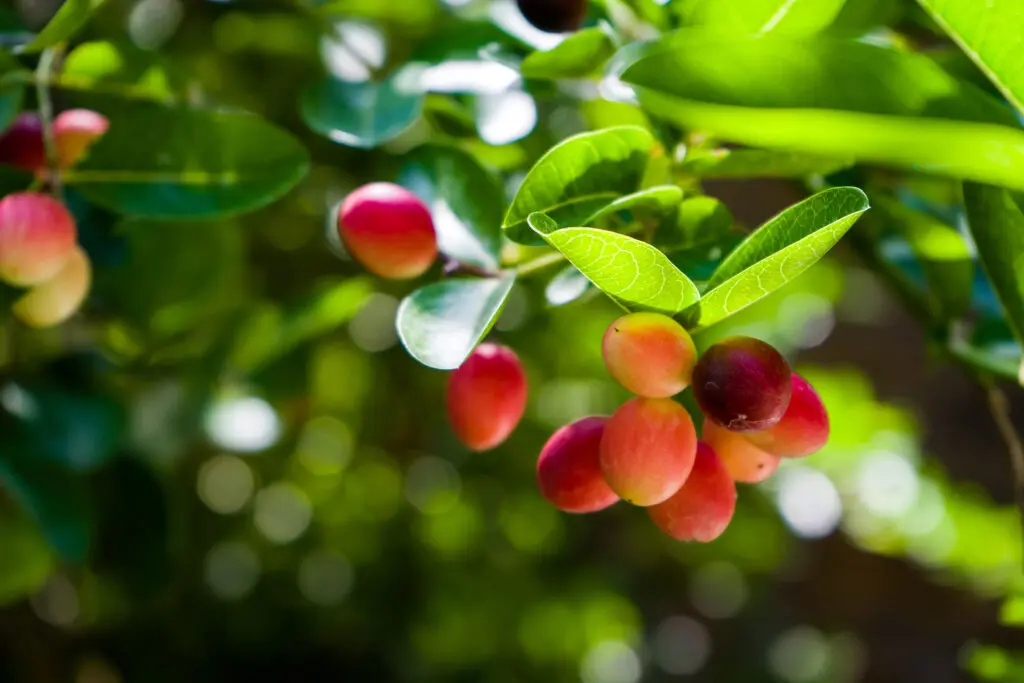
Edible & Nutritional Profile
Edibility
- Fruit is technically edible, but not sweet
- Flavor ranges from bitter to astringent
- Best eaten:
- Fully ripe
- Dried
- Mixed with sweeter fruits
The fruit is far more valuable to birds, bears, and small mammals than to humans.
Nutritional Notes
While not extensively analyzed nutritionally, oso berries likely contain:
- Moderate carbohydrates
- Antioxidants (typical of dark-skinned berries)
- Low fat and protein
Historically, Indigenous peoples consumed the fruit sparingly, often dried or as part of mixed foods rather than as a standalone staple.
Companion Planting Profile