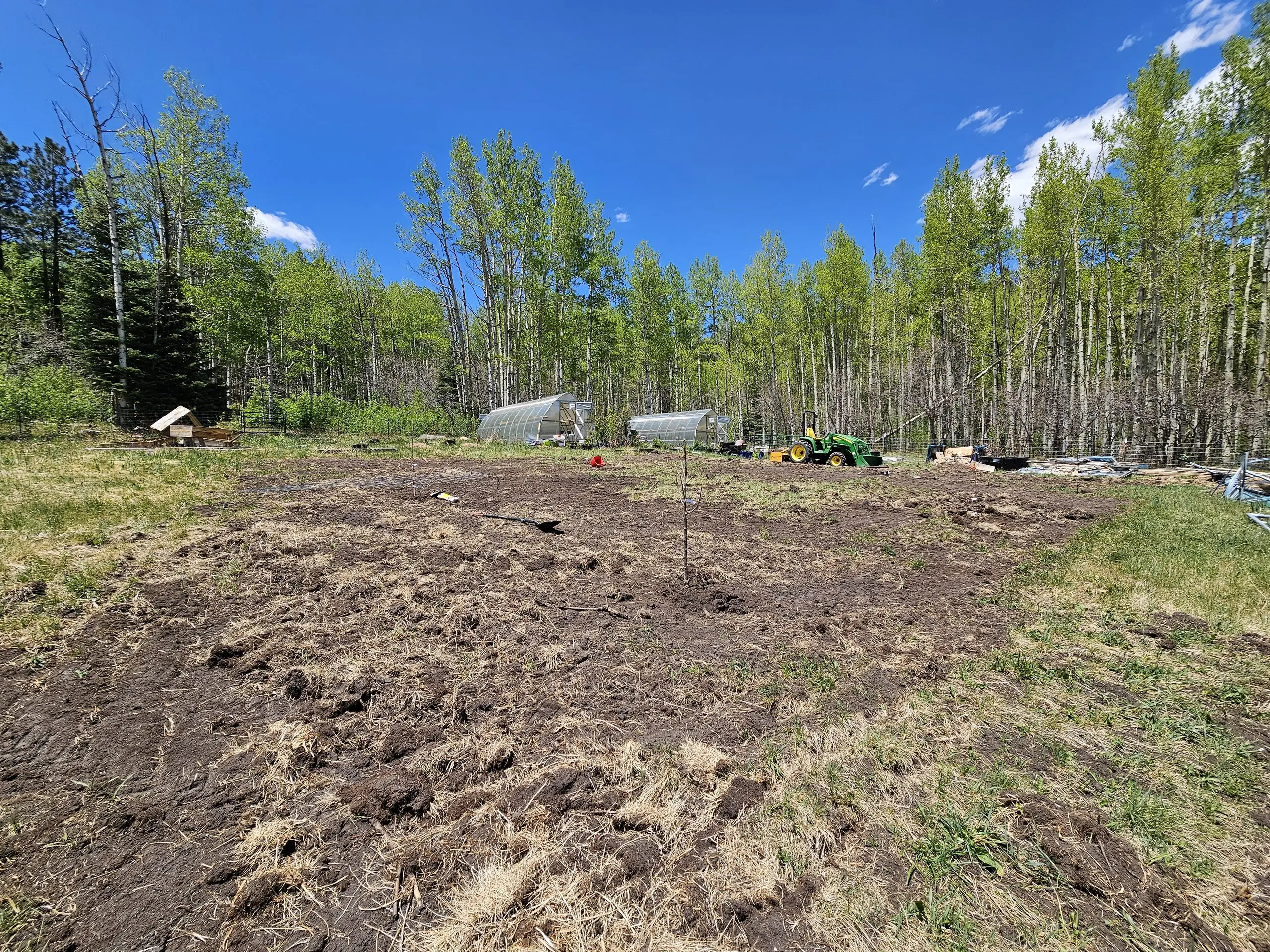
Choosing your garden location is one of the highest leverage decisions you can make. A mediocre garden in the right spot will often outperform an ambitious garden in the wrong one.
I always recommend to think in layers with Unchangeables given priority and things you can change lower on the list:
- Water
- Climate
- Sunlight
- Soil
- Access
- Protection
- Long-term sustainability
Water
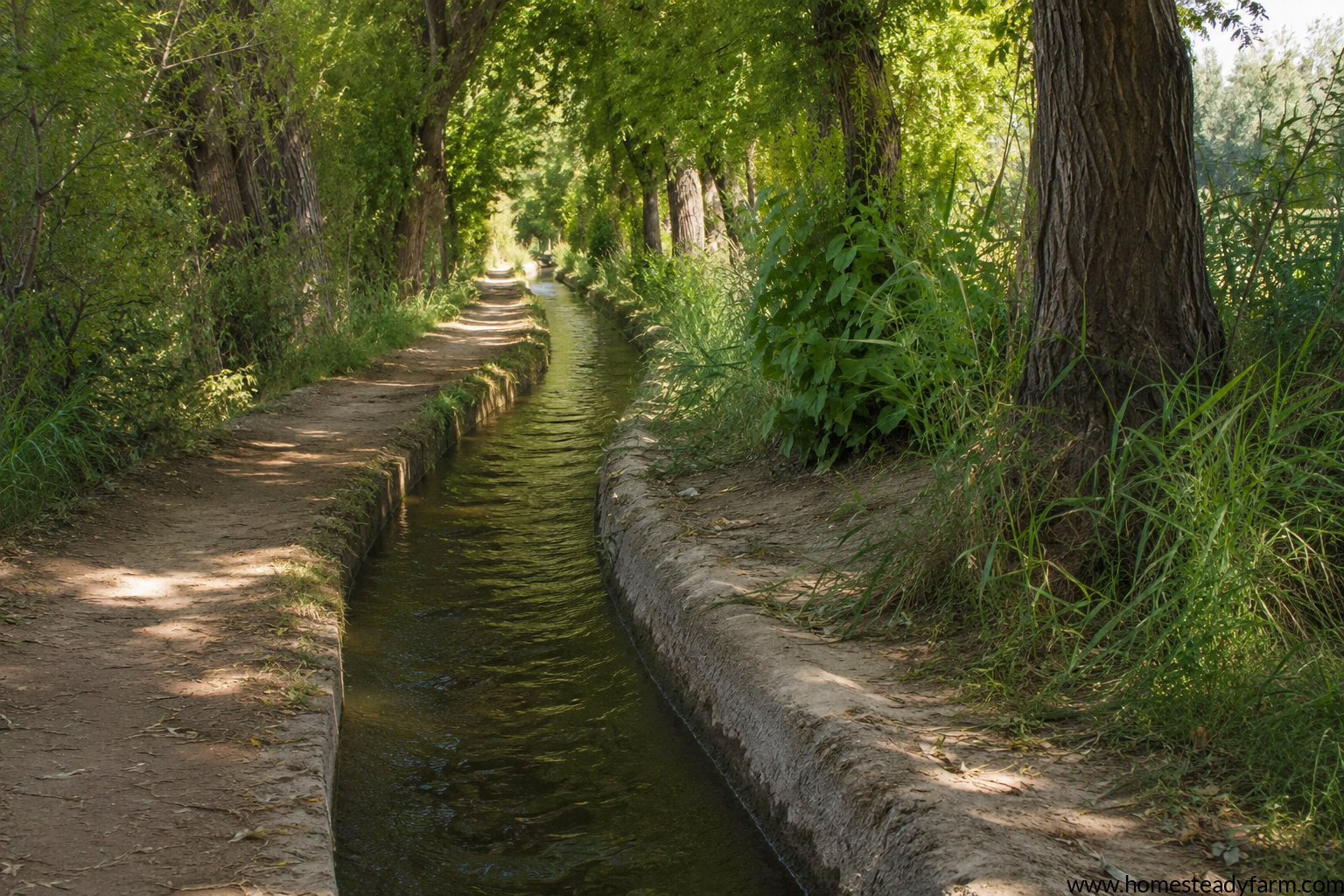
Agua vida – Water is Life. This is one of the most critical components of your garden. I highly suggest you place your garden where water is easily accessible for daily use, if needed.
Observations
- Observe how water moves across the property during:
- rainstorms
- snowmelt
- irrigation
- Identify areas where:
- water pools
- erosion occurs
- soil dries rapidly
- moisture remains longer
- Notice natural drainage patterns:
- ridges
- swales
- low points
- seasonal creeks
- Watch for signs of flooding or standing water.
- Observe whether nearby vegetation appears drought-stressed or overly saturated.
- Determine how far the site is from:
- hose bibs
- wells
- pumps
- rain catchment systems
- ponds / creeks
- Note seasonal water availability and restrictions.
Questions
- How far is the nearest water source?
- Can irrigation be gravity-fed?
- Is there enough water pressure?
- Can rainwater be harvested nearby?
- Does the site flood after storms?
- Does water pool or drain too quickly?
- Is the area naturally moist or extremely dry?
- Is the water source reliable during drought?
- Is there a reliable year-round water source?
- How far is the site from water access?
- Can irrigation be gravity-fed?
- Is the water pressure adequate?
- Can rainwater harvesting be integrated nearby?
- Does the area flood after storms?
- Does the soil retain water or drain too quickly?
- Will drought conditions impact this location severely?
- Is hauling water realistic long term?
- Are there legal restrictions on water use or rain collection?
Considerations
- A garden 300 feet from water becomes exhausting over time.
- Hose Management
- Hauling Water
- Irrigation Maintenance
- Evaporation Loss
- Water access heavily affects daily labor and long-term maintenance.
- Large gardens far from water often become neglected.
- Excess water can be as damaging as drought.
- Irrigation infrastructure costs increase rapidly with distance.
- Mulching and soil improvement can reduce water demand.
- Slightly elevated locations often provide better drainage control.
- Consider future climate variability and drought resilience.
- Efficient water systems should minimize:
- evaporation
- runoff
- manual hauling
Climate
Climate determines what can realistically be grown and how resilient the garden will be over time. Beyond regional climate zones, every property contains smaller microclimates that influence temperature, humidity, frost risk, and growing season length.
Observations
- Observe:
- frost timing
- snow accumulation
- wind exposure
- humidity levels
- heat retention
- Identify warm and cool pockets across the property.
- Notice where snow melts first and last. Watch where cold air settles during winter and spring.
- Track prevailing wind directions through different seasons.
- Observe storm exposure and weather extremes.
- Note nearby structures or landforms affecting temperature and airflow.
Questions
- What USDA hardiness zone applies to the property?
- How long is the growing season?
- Where are frost pockets located?
- Which areas warm up earliest in spring?
- Which areas remain cooler during summer?
- How severe are local winds and storms?
- Does humidity create fungal disease pressure?
- Will climate trends likely change growing conditions over time?
- Are there natural windbreaks or shelters?
- Which crops are best suited for this climate?
Considerations
- Microclimates can significantly extend or shorten growing seasons.
- South-facing slopes usually warm earlier and retain more heat.
- Low-lying areas often trap cold air and frost.
- Wind exposure increases:
- evaporation
- plant stress
- soil drying
- Heat-reflective surfaces may help or harm depending on climate.
- Climate resilience may become increasingly important in future decades.
- Matching crops to climate reduces labor and resource demands.
- Long-term success comes from working with the environment rather than constantly fighting it.
Sunlight
Sunlight is one of the most critical factors in plant growth. The quantity, quality, timing, and seasonal consistency of sunlight determine which crops will thrive, struggle, or fail.
Observations
- Observe sunlight patterns and exposure:
- morning
- midday
- afternoon
- Summer sun path
- Winter sun path
- Wind exposure
- Heat accumulation
- Identify shade sources:
- buildings
- fences
- trees
- hills
- Notice reflected heat from:
- walls
- pavement
- rocks
- Observe whether nearby trees are likely to create future shade as they mature.
- Watch for areas that become excessively hot during summer afternoons.
Questions To Ask
- How many hours of direct sun does the area get?
- Vegetables generally need:
- 6–8+ hours = ideal
- 4–6 hours = partial success
- under 4 hours = mostly shade crops
- Is the sunlight morning sun or harsh afternoon sun?
- Are there seasonal changes in shade from trees/buildings?
- Will nearby trees grow and create future shade?
- Does reflected heat from walls, concrete, or rock create a heat trap?
- Are there frost pockets where cold air settles?
- Does snow linger longer there?
- How many hours of direct sunlight does the site receive? Is the sunlight mostly morning or afternoon sun? Does the area remain shaded during parts of the growing season? Will future tree growth reduce sunlight? Is reflected heat beneficial or excessive? Are there crops suited for partial shade in this area? Will winter sunlight access matter for year-round growing? Does nearby infrastructure block low-angle seasonal sun?
Considerations
- A spot that is perfect in May may become brutal in July.
- Most vegetables require 6–8+ hours of direct sunlight. Leafy greens tolerate more shade than fruiting crops. Morning sunlight is generally gentler and reduces fungal issues. Excessive afternoon heat can stress plants in hot climates. Seasonal sun angles change dramatically throughout the year. Shade can be strategically beneficial in desert or high-heat environments. Permanent shade problems are difficult to correct later. Prioritize sunlight before investing heavily in infrastructure.
Soil
Soil is the living foundation of the garden ecosystem. Healthy soil supports water retention, nutrient cycling, root growth, microbial life, and long-term productivity.
Observations
- Dig test holes in multiple locations. Observe:
- soil texture
- color
- smell
- moisture
- biological activity
- Look for:
- earthworms
- insects
- fungal networks
- root penetration
- Check whether water:
- infiltrates well
- pools
- runs off
- Identify:
- compaction
- rocks
- hardpan
- erosion
- Observe nearby plant health as an indicator of soil quality.
Questions
- Is the soil clay, sand, silt, or loam? How deep is the topsoil? Does the soil compact easily? Is drainage adequate? Are nutrients depleted? Is the pH appropriate for intended crops? Has the site been contaminated previously? Are there salts accumulating in the soil? Will raised beds or amendments be required? How difficult will soil improvement be?
Considerations
- Healthy soil can reduce:
- irrigation needs
- fertilizer dependence
- pest pressure
- Poor soil can often be improved, but time and labor vary greatly. Organic matter is one of the most valuable long-term soil investments. Soil biology matters as much as mineral content. Avoid disturbing soil structure unnecessarily. Some raw land may require years of remediation before peak productivity. Testing soil early prevents costly mistakes later. Building soil fertility is a long-term process, not a one-time event.
Access
A garden must be accessible enough to support consistent maintenance, harvesting, observation, and expansion. Convenience strongly influences whether a garden remains productive over time.
Observations
- Observe:
- walking routes
- vehicle access
- terrain difficulty
- seasonal mud or snow issues
- Determine whether wheelbarrows, carts, or equipment can easily reach the site. Notice how often you naturally pass by the area. Observe visibility from the home or main activity areas. Identify obstacles such as:
- steep slopes
- gates
- narrow paths
- unstable ground
Questions
- How easy is it to access daily? Can tools and materials be transported efficiently? Is the route usable year-round? Can heavy materials reach the site? Is the location visible enough for regular monitoring? Will distance reduce maintenance consistency? Is there room for future expansion? Can emergency repairs or harvesting happen quickly?
Considerations
- Gardens closer to daily activity usually receive better care. Distance increases labor and reduces observation frequency. Difficult terrain becomes more problematic over time. Efficient access improves:
- harvesting
- irrigation
- pest management
- seasonal maintenance
- Large-scale gardens may require planned infrastructure:
- paths
- roads
- storage
- staging areas
- Accessibility affects long-term physical sustainability for the gardener as much as the plants.
Protection
Protection involves shielding the garden from environmental damage, pests, wildlife, theft, and destructive weather while still maintaining healthy airflow and ecological balance.
Observations
- Observe signs of:
- deer
- rabbits
- rodents
- insects
- livestock intrusion
- Watch wind intensity and direction. Identify areas vulnerable to:
- flooding
- erosion
- hail
- falling branches
- Observe nearby vegetation that may harbor pests or disease. Note whether the site is visible from roads or neighboring properties.
Questions
- What wildlife pressures exist on the property? Will fencing be necessary? How severe are insect pressures? Does the site need windbreaks? Are there theft or vandalism concerns? Is the area exposed to severe weather? Can companion planting or biodiversity reduce pest issues? Will nearby brush increase fire risk? Can protective structures be added later?
Considerations
- Protection systems can become major long-term expenses. Fencing is often underestimated in both cost and importance. Windbreaks can dramatically improve plant survival and water retention. Excessive enclosure may reduce airflow and increase disease pressure. Biodiversity can strengthen ecosystem resilience naturally. Security matters more as productivity and infrastructure increase. Balancing protection with accessibility is important.
Long-term Sustainability
A sustainable garden location supports ongoing productivity without exhausting the land, water, finances, or the gardener. Long-term sustainability requires thinking beyond immediate yields toward resilience, regeneration, and adaptability.
Observations
- Observe how the land naturally functions without intervention. Notice:
- native vegetation
- water cycles
- soil regeneration
- erosion patterns
- ecological balance
- Observe long-term pressures such as:
- drought
- invasive species
- tree encroachment
- climate shifts
- Assess availability of local resources:
- mulch
- compost materials
- manure
- biomass
Questions
- Can soil fertility be maintained onsite? Is the water system sustainable during drought? Will the site remain productive as climate changes? Can nutrient cycles be closed locally? Is expansion possible without degrading the land? Will nearby trees eventually outcompete crops? Can perennial systems be integrated? Is the workload realistic over decades? Does the system reduce outside dependency over time?
Considerations
- Sustainable systems reduce:
- imported inputs
- water waste
- energy demands
- labor intensity
- Perennial systems often improve resilience and soil stability. Composting and mulch systems are foundational long term. Biodiversity strengthens ecological balance and pest resistance. Regenerative practices improve land value and productivity over time. The best systems become easier to maintain as they mature. Sustainability includes the gardener’s physical, financial, and emotional endurance — not just the land itself.