


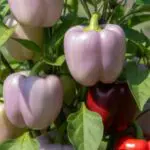

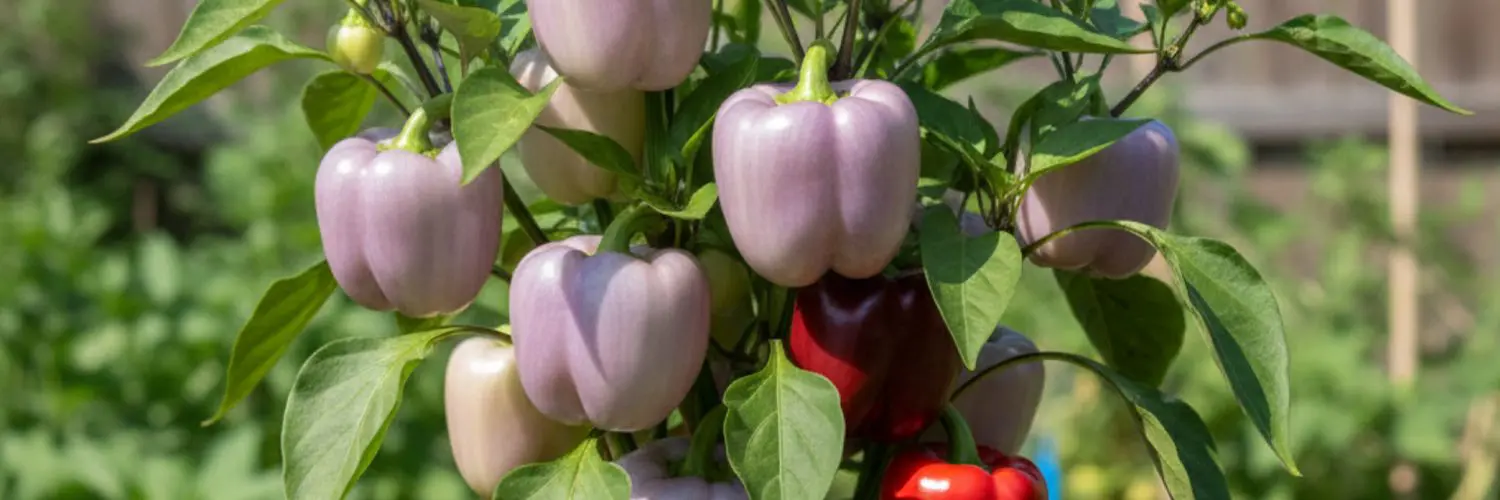

Creating a thriving homestead garden at high altitudes is both a challenge and a deeply rewarding experience. Through years of trial and error, I’ve learned which plants flourish in the thin air and cool nights of Northern New Mexico. One of my personal favorites is the Sweet Lilac Pepper. Its stunning purple hue not only adds a splash of color to my garden but also boasts a mild, fruity taste that is a delight in my dishes. This pepper is a testament to resilience, thriving in my garden amidst the challenges of a shorter growing season. I encourage fellow homesteaders and preppers to consider this delightful variety.
Pepper, Sweet: Lilac – A High Altitude Delight
I can confidently say that the Sweet Lilac Pepper can enrich both your garden palette and your culinary creations. For a homestead garden at my altitude—around 8,500 feet—these peppers are an ideal choice, given their capability to adapt to cooler temperatures and a limited growing window.
General Information
- Plant Type: The Sweet Lilac Pepper is an annual plant. This means you’ll plant it each year, but the reward of vibrant color and taste is worth the effort.
- Plant Size: Expect plants to reach about 18 to 24 inches in height, with a similar spread. They’re compact enough to suit various garden layouts.
- Soil: These peppers prefer well-drained soil with a pH between 6.0 and 7.0. Ensuring this range helps them uptake nutrients efficiently.
- Companions: Consider planting with basil, onions, or carrots, all of which thrive under similar conditions.
- Days to Harvest: Typically, you’ll start seeing your first harvest about 70 to 80 days after planting seeds.
Getting Started
Begin by sowing seeds indoors around six to eight weeks before the last expected frost date. Using a seedling starter kit can greatly improve germination rates. Once seedlings have a couple of true leaves and nighttime temperatures consistently fall in the 50s (Fahrenheit), it’s time to harden them off. This simply means gradually acclimating them to outdoor conditions over a week or so before transplanting.
Plant Care
Caring for a Sweet Lilac Pepper plant is quite straightforward, but attentive care can make all the difference.
Fertilizer
I recommend using a balanced vegetable garden fertilizer when planting, followed by a side dressing of compost monthly. If you notice the plants yellowing or not producing well, you may need to adjust nutrient levels. Avoid over-fertilizing as it can lead to lush foliage but sparse fruit production.
Watering
Water regularly, ensuring the soil remains moist but not waterlogged. The plants will generally need one to two inches of water per week. Signs of under-watering include wilting and dry leaves, while over-watering can be indicated by yellow leaves and root rot. In high-altitude gardens, I find a drip irrigation system helps maintain consistent moisture, especially in dry spells.
Sunlight
These plants need full sun, which means six to eight hours daily. However, in intense afternoon sun, some light shading can prevent leaf scorch. I’ve set up a clever arrangement with shade cloths to shield them during peak sun hours, which has worked wonders.
Harvesting
Timing
Harvesting is an exciting part of the process. The best time to pick your Sweet Lilac Peppers is when they develop a deep purple color and slightly soften. This is usually mid-summer, depending on your planting date.
Time
Pick them in the morning when they’re crisp and at their peak freshness. This is when the plant is hydrated and the fruit will have the best texture.
Harvest
To harvest, use a pair of garden shears or scissors and cut the pepper from the plant, leaving a bit of stem attached. This prevents damage to the plant. Always be on the lookout for pests such as aphids and keep an eye on the peppers for signs of rot or disease.
Collection
I find using a small basket or a lightweight plastic crate keeps the peppers safe and prevents bruising during harvest.
Processing
Once harvested, rinse your peppers thoroughly to remove soil and potential pests. Pat them dry completely to avoid any decay if you’re planning to store them. I often roast or grill the peppers, which enhances their sweet, fruity flavor, or simply enjoy them fresh in salads.
Storage
For short-term storage, place the washed peppers in the crisper drawer of your refrigerator where they can last up to two weeks. For long-term storage, they’re excellent for freezing. Slice or dice and then spread in a single layer on a baking sheet to freeze solid before transferring them to airtight containers or freezer bags.
Uses
Food
Sweet Lilac Peppers are fantastic raw, adding a crunchy sweet note to salads. They also work beautifully in salsas and stir-fries. Their appealing purple color makes even the simplest dishes stand out.
Medicinal
While not traditionally considered medicinal, peppers in general are rich in vitamins A and C, supporting immune function and offering antioxidants.
Incorporating the Sweet Lilac Pepper into your homestead garden not only diversifies your produce but also challenges your gardening skills in the best possible way. Embrace the journey and enjoy the rewards each growing season brings!
Where To Buy
Full Transparency
NOTE: This article is produced through a hybrid process of both personal experience and AI generated content. All plant varieties listed are actual crops and varieties grown on my property along with my personal experiences. Plant facts and information are AI generated to provide expanded information and context (plant size, soil, etc). AI can make mistakes and it is best to verify information before applying it.