




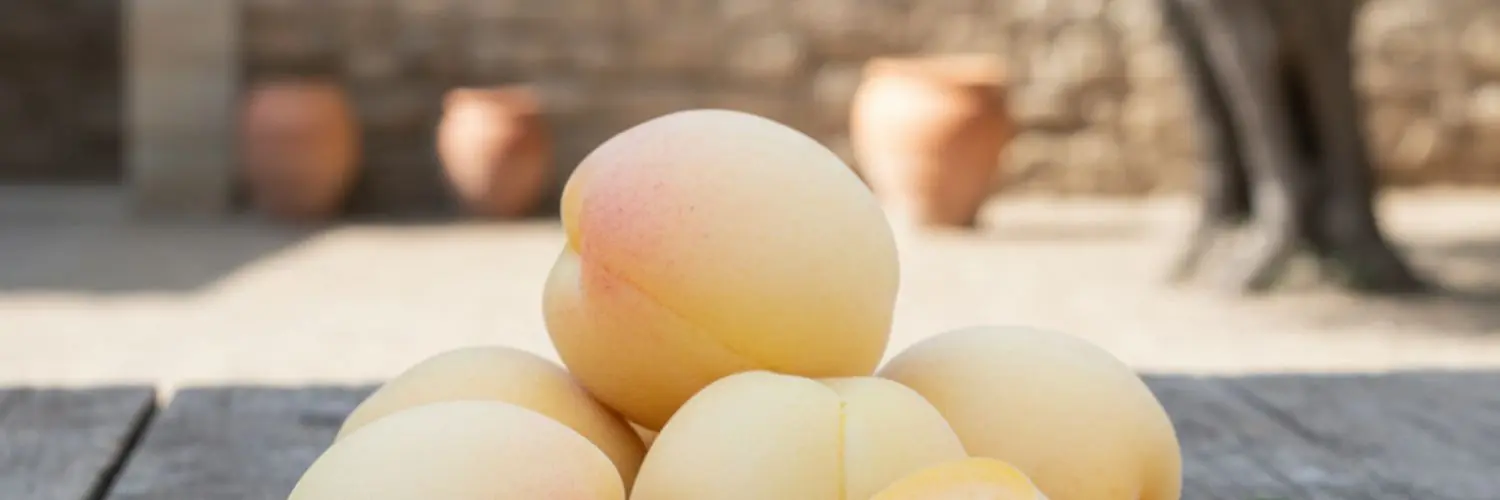

The Moniqui apricot is a standout in my high-altitude homestead garden, primarily because of its resilience to the challenges we face here in Northern New Mexico. Situated at 8,500 feet above sea level, my homestead encounters a short growing season and unpredictable weather patterns, which demand careful selection of plant varieties. The Moniqui apricot, with its sweet, large, and disease-resistant white fruits, has proven to be an excellent choice for those looking to add a reliable fruiting tree to their self-sufficient garden.
Apricot: Moniqui – Sweet, Large, and Disease-Resistant White Fruits for the Home Orchard
General Information
Plant Type
These apricots grow on deciduous trees, meaning they lose their leaves in the fall. This is an advantageous adaptation for homesteaders at high altitudes, allowing the trees to conserve resources during the harsher winter months.
Plant Size
The Moniqui apricot tree can reach an average height of 15 to 20 feet with a spread of the same range. This size is manageable for home orchards, providing ample fruit without taking over your growing space.
Soil
Moniqui apricots prefer well-draining loamy soil with a slightly acidic to neutral pH range of 6.0 to 7.5. Enhancing your soil with organic matter such as compost or well-rotted manure supports better growth and yields.
Companions
Companion planting can help boost the growth and health of your apricot trees. Consider planting garlic, chives, and nasturtiums nearby, as they repel pests that can affect apricots. These companions also enrich the soil and encourage beneficial insects.
Days to Harvest
Typically, you’re looking at around 100 to 150 days from planting to the first harvest. This can vary slightly based on local conditions, but it’s a good benchmark to keep in mind when planning your homestead activities.
Getting Started
To begin with the Moniqui apricot, choose a location with full sun exposure, as direct sunlight ensures the best growth and fruit development. Start by preparing the planting site in early spring. Dig a hole twice as wide as the tree’s root ball and just as deep. Amend the soil with compost for added nutrients. After placing the tree in the center, backfill the hole and water thoroughly, ensuring no air pockets remain around the roots. Adding a mulch layer around the base will help retain moisture and suppress weeds.
Plant Care
Fertilizer
Fertilize in early spring before new growth begins. Use a balanced fertilizer, like a 10-10-10 mix, applying according to the package instructions based on the size of your tree. Avoid over-fertilization, as this can lead to excessive leaf growth with few fruits. If you notice yellowing leaves, it may be a sign of nutrient deficiency.
Watering
Consistent watering is key, especially during the growing season. Aim to keep the soil evenly moist but not waterlogged. I water my apricots once a week more deeply rather than frequent shallow watering, which encourages deep root growth. Drooping leaves can indicate underwatering, while yellowing can be a sign of overwatering.
Sunlight
Full sun is a must for Moniqui apricots, requiring at least six hours of direct sunlight per day. If the leaves start to scorch, a sign of too much intense midday sun, consider implementing some light shade cloth during the hottest part of the day.
Harvesting
Timing
Appropriate timing is crucial – pick your apricots when they detach easily from the branch with a gentle twist. They should be firm but slightly yielding under gentle pressure.
Time
Early morning is the best time to harvest, as the fruits are cool and less prone to bruising. It’s also a delightful moment to start your day, energized by the prospect of fresh fruit.
Harvest
Always use care when harvesting to avoid damaging the fruits or the tree’s branches. A deliberate, gentle motion works best.
Collection
A simple basket or bucket lined with a soft cloth prevents bruising during collection, preserving the fruit’s quality.
Processing
After harvesting, wash your apricots under cool, clean water. Gently pat them dry to prevent bacteria growth, especially if you plan to store them.
Storage
Apricots don’t keep for long after picking, so it’s important to process or consume them quickly. For short-term storage, refrigerate them; this retains freshness for up to a week. For longer storage, consider freezing them. Slice the apricots, remove pits, and lay them out on a sheet in the freezer. Once frozen, transfer them to airtight containers or freezer bags.
Uses
Food
Moniqui apricots are delicious eaten fresh but also make excellent jams and preserves. Their sweet flesh is perfect for baking into pies and pastries.
Medicinal
While Moniqui apricots aren’t medically potent, they are rich in vitamins A and C, providing a boost to your immune system and overall health. The seeds should not be consumed in large amounts due to amygdalin, which can be dangerous when metabolized.
In the end, adding Moniqui apricots to your home orchard is not just practical but also deeply rewarding. They’re a symbol of resilience and self-sufficiency, much like those of us dedicating to growing our homestead and prepping skills in the face of the unpredictable. Through my journey with these apricots, I’ve found them to be both a delightful and robust addition to my high-altitude garden, thriving in conditions where other varieties might struggle.
Where To Buy
Full Transparency
NOTE: This article is produced through a hybrid process of both personal experience and AI generated content. All plant varieties listed are actual crops and varieties grown on my property along with my personal experiences. Plant facts and information are AI generated to provide expanded information and context (plant size, soil, etc). AI can make mistakes and it is best to verify information before applying it.