

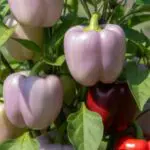
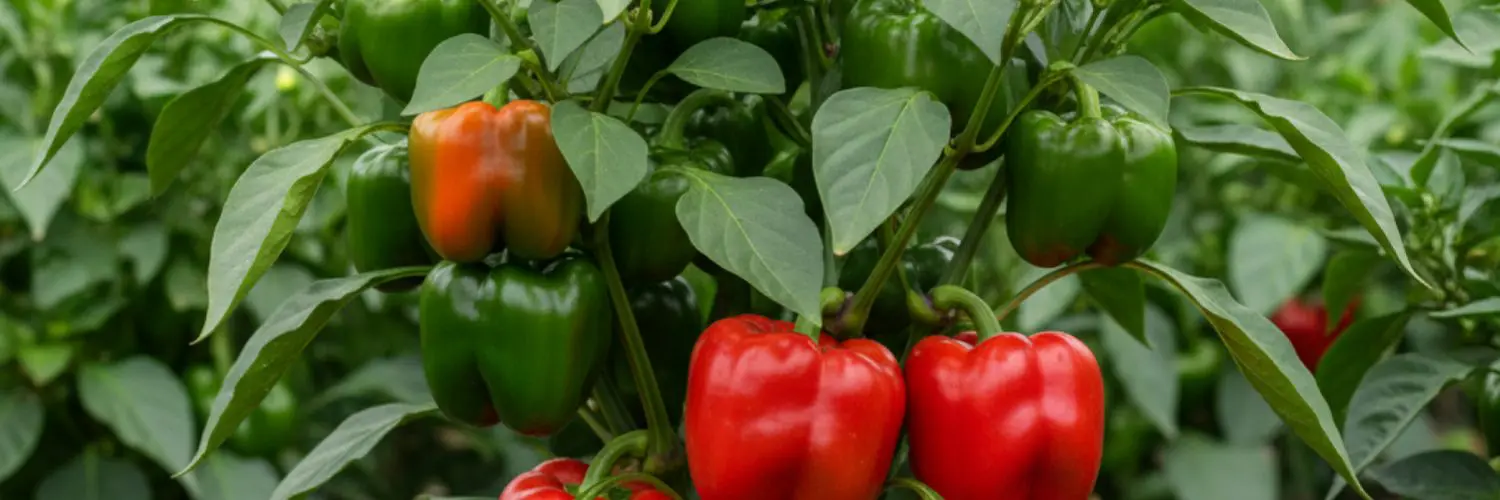

If you’ve ever wandered through the aisles of your local farmers market, mesmerized by the symphony of colors, you might have spotted the Costa Rican sweet pepper with its striking deep ruby red hue and wondered if it was as tasty as it is beautiful. Let me assure you, growing these peppers has been a delightful and rewarding experience, especially here in Northern New Mexico. At my homestead garden nestled at an elevation of about 8,500 feet, this variety has proved its worth time and time again. With a prepper’s eye for the most productive crops, these sweet peppers stand out as a top pick both for their taste and resilience.
General Information
Plant Type
The Costa Rican Sweet Pepper plant is best categorized as an annual. This means it completes its lifecycle—from germination to seed production—within a single year. Being an annual, it brings the benefit of sprouting fresh peppers each growing season, ensuring a consistent and reliable addition to the garden.
Plant Size
When fully mature, these plants are typically around two to three feet tall, with a similar spread. This makes them a manageable size for most garden setups. Their compact structure means they fit well into raised beds and even some indoor gardening systems if space is a constraint.
Soil Preferences
Sweet peppers prefer well-draining soil with a slightly acidic to neutral pH, ranging from 6.2 to 7.0. In our high-altitude garden, I’ve found that amending the soil with added organic matter such as well-rotted compost significantly improves their growth.
Companion Plants
Companion planting is a wonderful way to enhance your plant’s growing environment. Sweet peppers, including the Costa Rican variety, thrive alongside basil, onions, and carrots. These companions can help deter pests and improve overall plant health.
Days to Harvest
One of the aspects I love most about the Costa Rican sweet pepper is its relatively short time to harvest, usually around 70 to 85 days from planting. This is particularly advantageous in our climate with its shorter growing season.
Getting Started
For those of you venturing into growing these delightful peppers, start with sowing the seeds indoors around eight to ten weeks before the last expected frost. Seedlings can be transplanted outdoors once the danger of frost has passed and it’s consistently warm. Up here in the high mountains, I’m careful to use row covers early in the season to keep temperatures stable and curb fluctuations that could harm young plants.
Plant Care
The key to healthy, productive plants is to cater to their needs thoughtfully.
Fertilizer
These peppers benefit from a balanced fertilizer regimen. I usually apply a well-rounded organic fertilizer early when preparing the planting bed and then side-dress with additional nutrients every few weeks thereafter. Like all plants, the Costa Rican sweet pepper will tell you if it’s had too much or too little nutrients; watch for dark green leaves, which might indicate an excess, or pale foliage signaling a deficiency.
Watering
Regular watering is essential but be wary of overwatering. Deep watering twice a week generally suffices, more in extraordinarily dry spells, but always check the soil a few inches down. If it feels dry, it’s time for a good soaking. Overwatering is evident through yellowing leaves or root rot signs.
Sunlight
These peppers bask in the sun, requiring at least six to eight hours of full sunlight a day. If you notice the leaves starting to wilt or pale, consider offering some shade during peak sun hours or optimizing water management to avoid stress.
Harvesting
Timing
The perfect time to harvest these peppers is when they have deepened to a luscious ruby red, indicating they’re both ripe and flavorful. The fruits will feel firm to the touch and should release easily from the stem.
Best Time of Day
Like many crops, it’s best to harvest peppers in the cool of the morning. This is when the plants and fruits are at their freshest, having soaked in the morning dew.
How to Harvest
Using a sharp pair of scissors or pruning shears, cut the pepper from the plant, leaving a short stem attached. This minimizes plant stress and speeds up recovery for subsequent fruiting.
Collection Tools
Your trusty garden shears and a basket will serve you well. Be on the lookout not to damage the other fruit or the plant itself while cutting.
Processing
Once harvested, give your peppers a good rinse in cold water to remove any lingering dirt or pesticide residues. Pat them dry with a clean towel or allow them to air-dry before proceeding to use or store them.
Storage
To extend the shelf life of your harvest, consider these storage methods:
- Refrigeration: Store in the crisper drawer of your fridge in a paper or breathable bag. They should last about one to two weeks.
- Freezing: For longer-term storage, wash, stem, and deseed the peppers. Then, slice and freeze them for use in recipes directly out of the freezer.
- Pickling: Preserved in a vinegar-based brine, these peppers can last several months and add a punch to sandwiches or salads.
Uses
Food
There’s so much you can do with these peppers in the kitchen. Their sweet, mild flavor makes them perfect for fresh salads, stir-fries, or stuffed dishes. They’re also excellent for roasting, bringing out their natural sugars for a delightful caramelized treat.
Medicinal
While not particularly known for medicinal uses, sweet peppers are high in vitamins A and C, which support a healthy immune system. Incorporating them regularly into meals can contribute to your overall health and wellness.
Growing Costa Rican sweet peppers at my high-altitude homestead has not only added a splash of color and flavor to my garden but has also reinforced the sense of resilience and self-sufficiency that I value. With a bit of care and attention, these peppers can provide a rewarding harvest and a flavorful addition to your self-sufficient lifestyle.
Where To Buy
Full Transparency
NOTE: This article is produced through a hybrid process of both personal experience and AI generated content. All plant varieties listed are actual crops and varieties grown on my property along with my personal experiences. Plant facts and information are AI generated to provide expanded information and context (plant size, soil, etc). AI can make mistakes and it is best to verify information before applying it.