
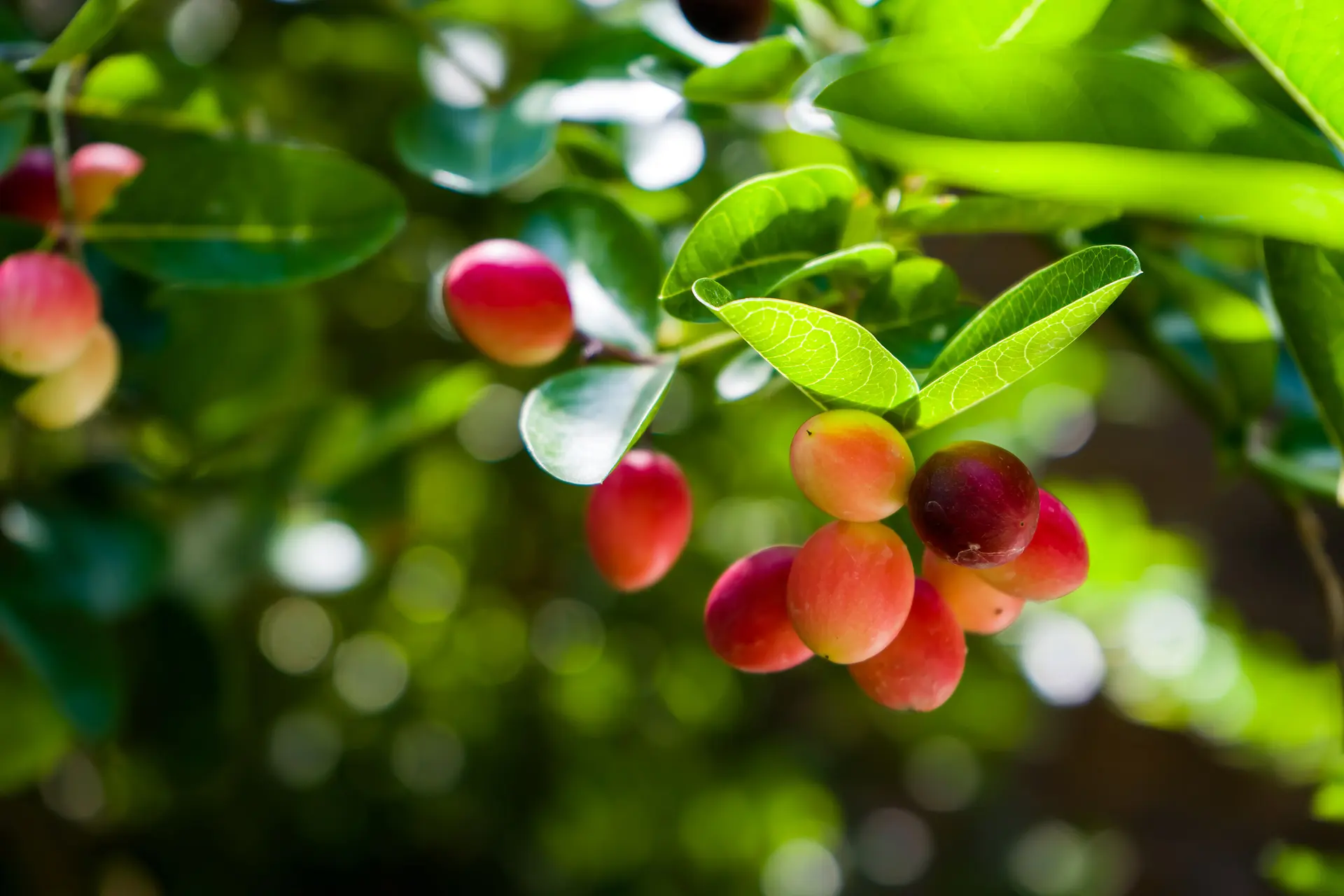
Oemleria cerasiformis
Indian Plum, Osoberry, Bird Cherry, Oso-Berry
| Plant Zones | 5-9 |
| Mature Size | 6-20 feet tall |
| Growth Habit | Multi-stemmed Thicket |
| Longevity | Long-lived |
| Soil Type | |
| Soil pH | |
| Light | Partial Shade, Full Sun |
| Water | |
| Bearing Age | |
| Bloom Time | |
| Pollination | Dioecious: requires male + female plant to produce |
| Harvest Time | |
| Average Yield | |
| Uses |
About
Oso berry (Oemleria cerasiformis), also known as Indian plum or wild plum, is a deciduous native shrub of the Pacific Northwest and coastal western North America.
It is best known for being one of the earliest blooming shrubs on the continent, often flowering in late winter while snow is still present.
Growing 6–20 feet tall with a loose, multi-stemmed form, oso berry occupies woodland edges, riparian corridors, and north- or east-facing slopes.
It is a dioecious species, meaning male and female flowers occur on separate plants—an essential consideration for fruit production.
Oso berry is not a conventional orchard fruit. Instead, it functions as a keystone ecological plant, providing some of the first nectar, pollen, and fruit of the year for pollinators and wildlife.
Historically, its bloom time served as a seasonal indicator that winter had truly ended.
Oso berry is not a production crop—it is a systems plant. It excels at signaling seasonal change, supporting early pollinators, feeding wildlife, and anchoring native landscapes. For homesteads focused on resilience, ecology, and long-term land health, it earns its place quietly but decisively.

Edible & Nutritional Profile
Edibility
- Fruit is technically edible, but not sweet
- Flavor ranges from bitter to astringent
- Best eaten:
- Fully ripe
- Dried
- Mixed with sweeter fruits
The fruit is far more valuable to birds, bears, and small mammals than to humans.
Nutritional Notes
While not extensively analyzed nutritionally, oso berries likely contain:
- Moderate carbohydrates
- Antioxidants (typical of dark-skinned berries)
- Low fat and protein
Historically, Indigenous peoples consumed the fruit sparingly, often dried or as part of mixed foods rather than as a standalone staple.
Planting
Site Selection
Oso berry performs best when placed where it would naturally grow.
Ideal conditions:
- Partial shade to dappled light
- Woodland edges
- Moist but well-drained soil
- Slightly acidic to neutral pH
Avoid:
- Hot, dry, south-facing slopes
- Compacted or alkaline soils
- Full sun without consistent moisture
Planting Tips
- Plant both male and female shrubs for fruit production
- Space plants 6–10 feet apart
- Plant dormant bare-root or potted plants in late fall or early spring
- Mulch well to retain soil moisture


Caretaking
Oso berry is a low-maintenance shrub once established.
Watering
- Moderate water during establishment
- After establishment, drought tolerant in cool or shaded sites
- Supplemental water improves vigor in dry climates
Pruning
- Minimal pruning required
- If needed, prune lightly after flowering
- Remove dead or crossing branches only
Fertility
- No heavy feeding required
- Benefits from:
- Leaf litter
- Compost mulch
- Forest-style soil building
Pests & Disease
- Very few pest issues
- Highly disease resistant
- Browsing by deer may occur on young plants
Harvesting
Timing
- Fruit ripens late spring to early summer
- Harvest window is short and often competed for by wildlife
Harvest Method
- Hand pick when fruit turns dark purple to black
- Fruit should be soft and fully ripe
- Expect low yields compared to cultivated fruit trees
Many growers allow wildlife to take the majority of the crop, harvesting only small amounts.


Uses & Storage
Uses
- Drying for later use
- Mixing into jams with sweeter fruits
- Adding to fruit leather blends
- Experimental fermentation or wine blending
Oso berry is rarely used alone due to its strong flavor.
Storage
- Fresh fruit: 2–3 days refrigerated
- Dried fruit: several months in airtight containers
- Frozen fruit: usable for blends, but flavor remains intense
| January | Dormant Observe bud swelling in warmer years Plan planting locations |
| February | Earliest flowering begins in mild climates No active care required |
| March | Peak flowering Pollinator activity begins Ideal time to plant bare-root plants |
| April | Leaf-out Mulch and water young plants Monitor soil moisture |
| May | Fruit formation Light watering during dry periods No pruning |
| June | Fruit ripening Harvest if desired Wildlife feeding peaks |
| July | Post-harvest rest Optional light pruning Deep watering if drought stressed |
| August | Dormant growth phase Minimal care |
| September | Leaf color change Soil building with compost or leaf mulch |
| October | Leaf drop Excellent time for fall planting |
| November | Dormant Mulch root zones Protect young plants if browsing pressure is high |
| December | Fully dormant No care required |