





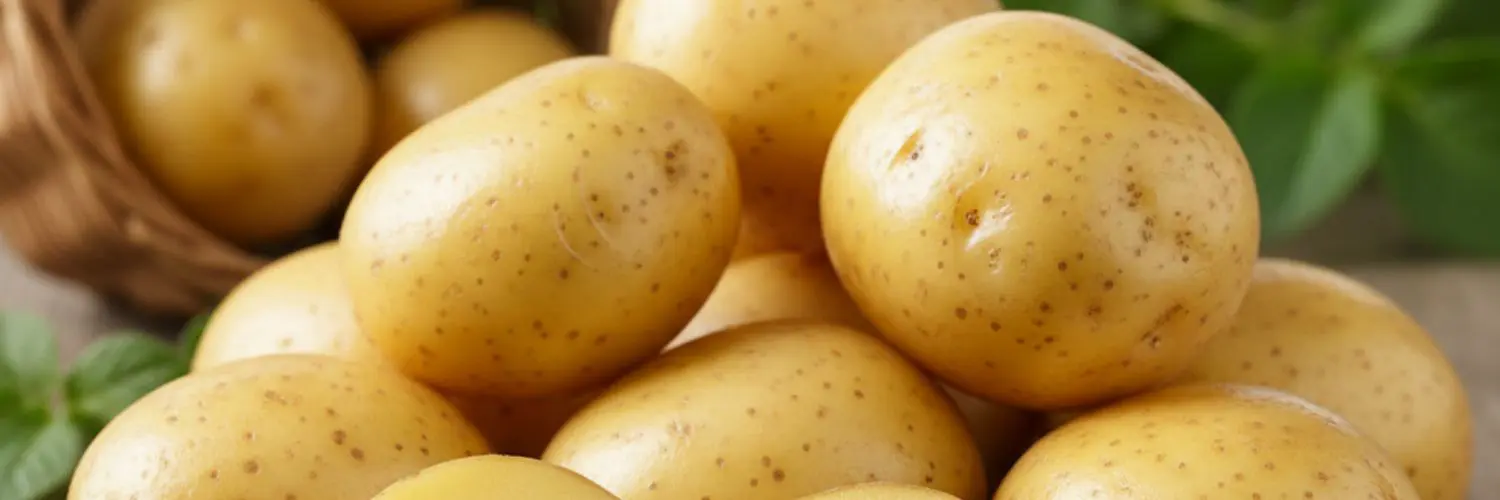

Living at high altitude presents its unique set of challenges and opportunities when it comes to growing crops. One crop that I’ve found to thrive in my Northern New Mexico homestead is the Yukon Baby potato. These little guys are a high-yielding, creamy, and flavorful variety perfect for making the most of small spaces—something every prepper appreciates. Let me share some insights and tips from my own experience on how you, too, can enjoy a bountiful harvest of these delightful potatoes.
Raising Yukon Baby Potatoes: A High-Yield Favorite
I’m a firm believer in the benefits of growing your own food, not just for the self-sufficiency aspect but also for the flavor and nutrition that simply can’t be matched by store-bought produce. Yukon Babies, with their rich yellow interior and buttery taste, are among the family favorites here on the homestead.
General Information
- Plant Type: Perennial, though commonly grown as an annual.
- Plant Size: 12-18 inches high with a similar spread.
- Soil: Prefers mildly acidic to neutral pH (around 5.8 to 7), loamy soil.
- Companions: Beans, cabbages, corn, and marigolds are great companion plants.
- Days to Harvest: Typically, it takes about 70 to 90 days post-planting to harvest baby potatoes.
Getting Started
Starting your Yukon Baby potatoes is relatively straightforward, even if you’ve only got a small space to work with. I often use fabric potato bags or even metal cages filled with straw. The idea is to allow the plants ample room to grow while keeping them protected and the soil well-drained.
1. Begin with seed potatoes. These specialized potatoes are disease-free and ready to sprout.
2. Cut larger seed potatoes into smaller pieces, ensuring each piece has at least one eye.
3. Allow the cut pieces to cure for a day to prevent rot (especially crucial when planting in damp conditions).
4. Once cured, plant the pieces about 12 inches apart, under approximately 4 inches of soil.
Plant Care
Proper care is key to ensuring a good yield of potatoes, and Yukon Babies are no different. Here’s a quick guide to keeping your plants happy and productive.
Fertilizer
Use a balanced organic fertilizer at planting time, then again when the plants are about 6 inches tall. Signs of over-fertilizing include excessive leaf growth and minimal potato production, so keep an eye on that.
Watering
Potatoes require consistent moisture, especially during flowering when the tubers are forming. However, you don’t want the soil to be waterlogged. A deep watering once a week is generally sufficient. Yellowing leaves or drooping could indicate underwatering, while mushy stems are a classic sign of too much water.
Sunlight
Yukon Babies prefer full sun—at least 6 hours a day. If your potato tops are getting scorched, try providing some afternoon shade.
Harvesting
The moment of truth, when those beautiful yellow orbs reveal themselves, is truly rewarding!
Timing and Time
You’ll know they’re ready to harvest when the foliage starts to die back, usually around 70 to 90 days. Morning is the best time for harvesting, while the air is cool, and the potatoes are less likely to be damaged by the heat.
Harvest and Collection
Use a garden fork or trowel to gently lift the plants out of the soil. Be mindful not to damage the tubers. Collect them in a basket or bucket.
Processing
Once harvested, allow the new potatoes to dry for a few hours. A shaded area with good air circulation is ideal. This drying period curtails the risk of rot when storing.
Storage
For longer storage, cure the potatoes by placing them in a dark, well-ventilated area at around 45 to 60 degrees Fahrenheit for a week. Afterward, store them in a cool, dark place. Root cellars are traditional, but an unused refrigerator works too—just don’t let them get too cold, as this can turn the starches into sugar.
Uses
Food
Yukon Baby potatoes are as versatile as they are delicious. Whether roasted, mashed, or used in soups and stews, they add a delightful creamy texture.
Medicinal
While potatoes themselves aren’t medicinal per se, their skins are rich in fiber and nutrients, so don’t skimp on consuming them.
Incorporating Yukon Baby potatoes into your gardening repertoire can enhance both your meals and your self-reliance capabilities. Their ability to grow well in confined spaces, paired with their delectable taste, makes them a must-try for any aspiring homesteader. From my high-altitude homestead to yours, I hope you find these little golden gems as rewarding as I do.
Where To Buy
Full Transparency
NOTE: This article is produced through a hybrid process of both personal experience and AI generated content. All plant varieties listed are actual crops and varieties grown on my property along with my personal experiences. Plant facts and information are AI generated to provide expanded information and context (plant size, soil, etc). AI can make mistakes and it is best to verify information before applying it.