


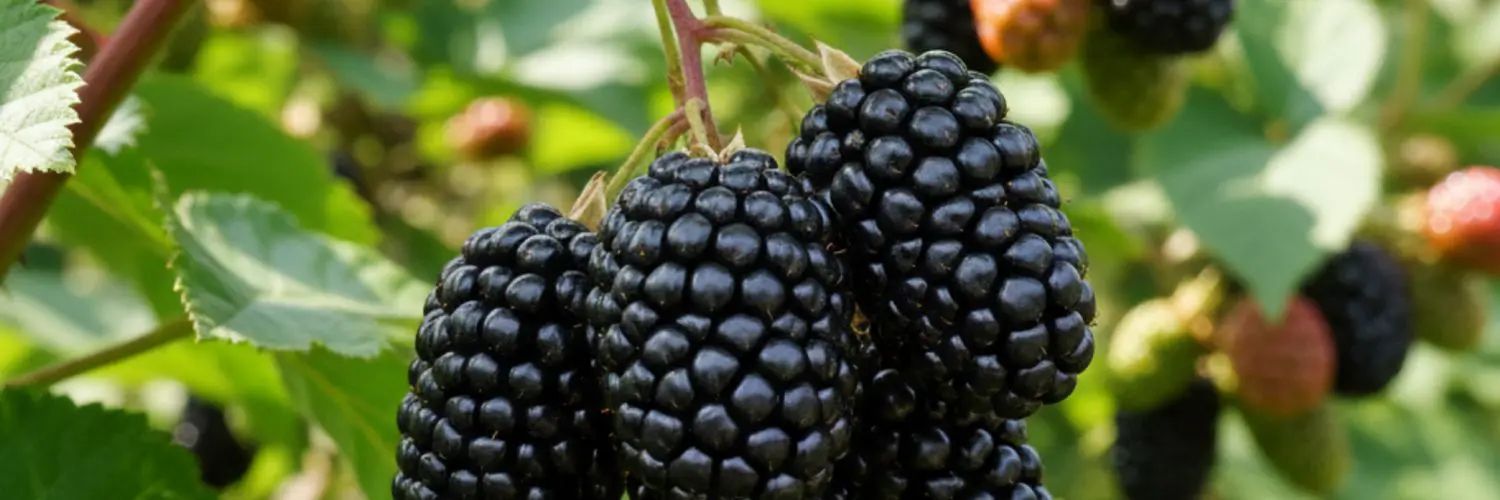

Living up here in Northern New Mexico, at around 8,500 feet, can be quite the challenge when it comes to gardening. We’re working with a unique climate, and having 20 years of experience has taught me a few things about what works best here. One journey worth sharing is my experience with the “Midnight Jewel” blackberry. I stumbled across this variety almost by accident, picking it up on a deep discount from Home Depot. Initially neglected, I decided to give it a new home on my homestead, and to my surprise, it’s been thriving. With a little nurturing, this thornless beauty promises not just a bounty of sweet berries but also an enriching addition to any high-altitude garden.
Blackberry: Midnight Jewel – Sweet, Thornless, and High-Yielding Berries for the Homestead
General Information
Plant Type
The Midnight Jewel blackberry is a perennial, and as a bush, it brings a lot of life to the homestead. Since it’s thornless, tending to it is straightforward and safe — you won’t have to worry about becoming a pincushion while trying to harvest!
Plant Size
This variety can grow to about 4-5 feet in both height and width. It makes a manageable size for any homestead garden, allowing easy access for care and harvest.
Soil
Blackberries like well-drained soil; they thrive best in slightly acidic conditions with a pH of 5.5 to 6.5. They appreciate well-aerated, loamy soil, which retains enough moisture without becoming waterlogged.
Companions
Good companion plants include dill, onion, garlic, and chives. These plants can deter pests, which are less of an issue up here, but it’s always good to encourage companions that support each other in the fight against garden villains.
Days to Harvest
On average, once your blackberry plant is established, expect to wait about two years to start seeing significant fruit production. It takes time, but when those berries ripen, they’re sure worth the wait.
Getting Started
The first thing to remember is that patience is key. These blackberries can take a while to get going, especially in a high-altitude setting. Plant your Midnight Jewel in early spring, allowing it to settle and begin its growth journey before the shorter season winds down. Choose a sunny spot in your garden where the soil drains well to prevent root diseases.
Mulching around your plants will conserve moisture and prevent weeds, which is crucial when you’re working in an area battling with shorter seasons and less rainfall. Remember, about 3 inches of organic mulch will usually do the trick.
Plant Care
Best Practices
Regularly check for pests and diseases since you’re giving it a home in a brand-new environment. While we’ve been pretty lucky with wildlife around here, you can’t underestimate a foraging critter’s determination. Bird netting can help protect your labor of love.
Fertilizer
Feeding these plants with a balanced 10-10-10 fertilizer in the early spring can give them the kick they need. Be mindful of over-fertilizing, indicated by lush, leafy growth with little berry production. It’s a sign to dial it back.
Watering
While they don’t need a swamp, blackberries love their water — about an inch per week. Regular waterings, especially during hot spells, will ensure the berries develop properly. Your plant will let you know if you’re giving too much water: the leaves will yellow and drop off prematurely. Too little water, and they’ll appear dry and brittle.
Sunlight
Blackberries love soaking up the sun just like we do. They need at least 6-8 hours of sunlight per day to flourish. If noticed bleached leaves or scorched edges, you may need to provide some light afternoon shade, particularly under our harsh, high-altitude sunrays.
Harvesting
Timing
Your blackberries will be ready to pick once they’re plump, shiny, and deep black. The berries should come off easily with just a gentle tug, ensuring they’re at their sweetest.
Time
Harvesting is best done in the morning after the dew has evaporated. The cooler the temperatures, the fresher the fruit stays — and the happier, certainly, you’ll be avoiding the noon heat.
Harvest
When harvesting, handle them gently to avoid bruising. Watch for any that might look a bit different — off-colored or misshapen berries could suggest pests or disease.
Collection
A simple bucket or basket will suffice for collection. Remember, gentle handling will protect against squishing those precious berries.
Processing
After collecting, the berries should be washed and sorted. Lightly rinse under cool water, then dry on a paper towel. This simple act will help them last longer for whatever you plan — canning, freezing, or baking into those summer treats.
Storage
Freezing
Spread them out on a baking sheet to freeze individually before transferring them to freezer bags. This method’s great because it prevents them from sticking together in a giant clump.
Canning
If you enjoy a good jam or jelly, canning these berries is also a fantastic option. Just ensure you’re following safe canning practices to keep your preserves safe and delicious.
Refrigeration
If you plan on using them fresh, store them in the refrigerator where they’ll keep for up to a week in a breathable container.
Uses
Food
Midnight Jewel blackberries are edible, fresh off the vine or transformed into luscious jams, pies, or sauces. They pair beautifully with other summer fruits, and a handful in your morning cereal fills the role of sweet, natural goodness.
Medicinal
Blackberries come with medicinal properties too. Rich in vitamins and antioxidants, they support the immune system and offer anti-inflammatory benefits. Enjoy the leaves as a tea to help with digestive health and soothe sore throats — another reason these plants are such a gem for the homestead.
Establishing a homestead garden isn’t just about adding plants. It’s about fostering life and sustainability, and learning what suits the land. As I’ve experienced with the Midnight Jewel, sometimes the unexpected surprises reward us in ways we couldn’t imagine. Embrace the journey wholeheartedly. Happy gardening!
Where To Buy
Full Transparency
NOTE: This article is produced through a hybrid process of both personal experience and AI generated content. All plant varieties listed are actual crops and varieties grown on my property along with my personal experiences. Plant facts and information are AI generated to provide expanded information and context (plant size, soil, etc). AI can make mistakes and it is best to verify information before applying it.