




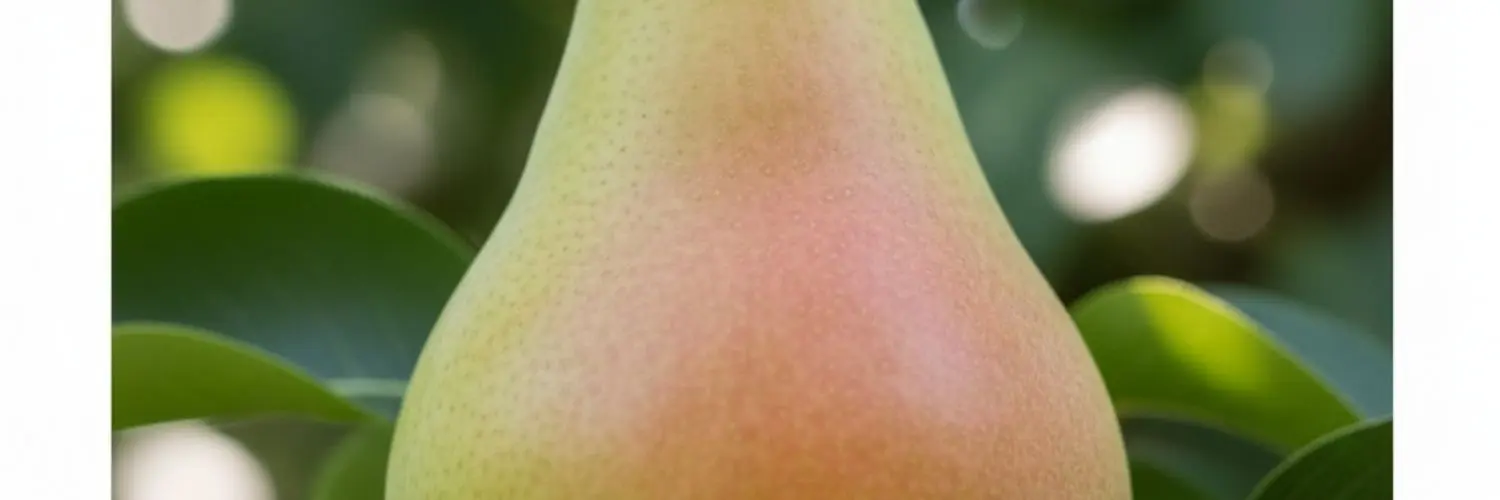

Every time I talk about the Moonglow pear, I feel a spark of hope. Growing fruit trees at high altitudes is a challenge, but there’s something special about seeing them thrive. I’ve had my fair share of setbacks with the Moonglow variety, from unintended breaks to mischievous gophers. However, each season brings a new opportunity, and I’m always eager to see how things turn out. Maybe this will be the year a Moonglow pear tree finally settles into my homestead for good.
General Information
Moonglow pear is a deciduous tree, meaning it sheds its leaves in the fall, which makes it ideal for those of us dealing with distinct seasons. The tree itself can be quite sturdy, reaching about 12 to 15 feet in both height and width when mature, which is perfect for shading parts of the garden while yielding juicy, delicious pears.
When it comes to soil, Moonglow pears aren’t too picky but do best in soil with a slightly acidic to neutral pH, around 6.0 to 7.0. They appreciate well-drained, loamy soil. Interestingly, pears enjoy keeping good company in your garden. They get along well with companion plants like clover, marigold, and nasturtiums, which help with pest control and enhance pollination.
From planting to the first harvest, Moonglow pears typically take about 3 to 5 years, which requires patience but is rewarding when you finally pick your first ripe fruit.
Getting Started
Starting your Moonglow pear journey begins with selecting a healthy young tree from a nursery. Check for signs of disease or damage and always choose a tree with a strong root system. I tend to prefer bare-root trees, but the choice is yours.
Once you’ve got your tree, planting is the next step. Choose a location in your orchard that receives full sun. Dig a hole wide and deep enough to accommodate the roots comfortably, usually about twice the width of the root system. Position the tree so the graft union is above ground to prevent disease.
After placing the tree in the hole, backfill with soil, ensuring it’s firmly packed around the roots to eliminate air pockets. Give your tree a deep watering to help settle its home. Mulching around the base aids moisture retention and discourages weeds.
Plant Care
Taking care of Moonglow pears demands attention to watering, sunlight, and fertilization. They need regular watering, particularly during dry spells. However, be careful not to overwater, as soggy roots can lead to rot. I generally find that deep watering once a week works well, especially in our high-altitude environment.
As for fertilizing, a balanced approach is key. I recommend using a well-rounded organic fertilizer in early spring. Keep an eye on your tree’s new growth; pale or stunted leaves may indicate a need for additional feeding.
Moonglow pears adore sunlight and require at least 6 to 8 hours of full sun each day. Signs of too little sun include sparse foliage and weak growth.
Harvesting
Knowing when to harvest your Moonglow pears requires a bit of observation. Look for pears that have changed from green to a soft yellow. They should come off the branch with a gentle twist. Mornings are the best time to harvest, as the pears are cool and firm from the night air, reducing the risk of bruising.
For picking, use a sturdy ladder if your trees are mature and tall. Some folks prefer using a long-handled fruit picker to reach high spots.
Processing
After picking, handle the pears with care to avoid bruising. Wash them gently in cool water to remove any dirt or debris. Dry thoroughly if you plan on storing them.
Storage
When it comes to storing Moonglow pears, you have a few options. One way is to refrigerate the pears. They do well in a perforated plastic bag, which maintains the right humidity level. For long-term storage, consider canning pears or making preserves.
Additionally, if you’re a fan of drying fruits, dehydrated pears are a delicious treat and can be stored in an airtight container for several months.
Uses
Moonglow pears are versatile in the kitchen. They’re juicy and grit-free, lending themselves well to fresh snacking. They can also be perfect for baking into desserts like tarts or pear cobblers. Some folks enjoy them poached with spices, or simply added into a fresh fruit salad.
While not primarily medicinal, pears, in general, are noted for their fiber content and vitamins which support digestive and cardiovascular health. A warm mulled pear cider is a favorite here during cool months.
I hope your journey with Moonglow pears is as rewarding as mine has been, even with its ups and downs. Remember, in homesteading and gardening, perseverance pays off, and each season is a chance to learn and grow alongside your plants.
Where To Buy
Full Transparency
NOTE: This article is produced through a hybrid process of both personal experience and AI generated content. All plant varieties listed are actual crops and varieties grown on my property along with my personal experiences. Plant facts and information are AI generated to provide expanded information and context (plant size, soil, etc). AI can make mistakes and it is best to verify information before applying it.