


Apple: Autumn Crisp – Crisp, Sweet, and Long-Storing Fruits for the Homestead
Every year, I dive deeper into cultivating a high-altitude self-sufficient homestead in Northern New Mexico. Apples, particularly those that can thrive in our challenging climate, intrigue me immensely. That’s why I’ve chosen to embark on a journey with the Autumn Crisp apple tree, a variety noted for its crisp texture and sweet flavor. While I am yet to experience its harvest, planting a sapling and nurturing it is the first step in my ongoing experiment.
General Information
Plant Type
The Autumn Crisp apple grows on a deciduous tree, meaning it sheds its leaves annually. This characteristic signals to the plant that it’s time to conserve energy during our frosty, high-altitude winters.
Plant Size
When fully grown, the Autumn Crisp apple tree stands medium-height in comparison to other apple trees, typically around 15 to 20 feet in height, with a similar spread. This makes it a fitting choice for homesteads with space constraints, balancing fruitful yield with manageability.
Soil
Apples like the Autumn Crisp flourish best in loamy, well-drained soil with a pH between 6.0 and 7.0. Achieving this balance enhances nutrient accessibility, a crucial component when cultivating healthy fruit.
Companions
Pairing apple trees with companions like marigolds, garlic, and nasturtiums can help deter pests and foster growth. These plants not only support the tree’s health but add an extra layer of protection without chemical intervention.
Days to Harvest
Patience is a virtue every homesteader should cherish. It takes roughly two to four years before the Autumn Crisp will produce its first bountiful harvest. Once matured, expect apples to ripen approximately 140 to 165 days after the blooming period begins, typically landing in early autumn.
Getting Started
Starting your adventure with an Autumn Crisp apple tree involves selecting the right site. Look for a sunny area that receives at least six to eight hours of sunlight daily. Ensure the ground is free from swampiness, as roots despise sitting in puddles.
- Prepare the planting area by digging a hole twice as wide and as deep as the root ball.
- Amend the soil with compost to improve nutrient retention and drainage.
- Cautiously place the sapling into the hole, ensuring its graft union is a few inches above the ground level.
- Backfill the hole with the soil-enhanced compost mix, and water thoroughly to eliminate air pockets.
Plant Care
Fertilizer
The Autumn Crisp benefits from a balanced fertilizer application in early spring. Be attentive to the signs of over-fertilizing, such as overly vigorous growth with few blooms, and signs of deficiency like pale leaves or stunted growth.
Watering
Provide your apple tree with a consistent inch of water weekly, especially during dry spells. Overwatering can drown roots, while underwatering results in withering leaves. Mulching around the tree helps retain soil moisture.
Sunlight
Your tree craves direct sunlight to photosynthesize efficiently. If you notice leaf scorch, consider providing a light shade during peak summer heat. If growth appears spindly, it may be receiving too little sunlight.
Harvesting
Timing
Autumn Crisp apples signal their ripeness with firm flesh and even color. Another technique is the twist test. If an apple easily detaches from its branch, it’s ready to be harvested.
Time
Plan your harvest in the morning to preserve the fruit’s moisture content, which depletes during the heat of the day.
Harvest
Gently twist the apple upward and away from the branch. Be cautious of bruising the fruit, which can reduce its storage life.
Collection
Using a small handheld basket or a tub with a cushion at its bottom helps transport your treasure back to the homestead without damage.
Processing
Once you’ve admired your Autumn Crisp bounty, a simple wash in cool water will prepare the apples for fresh consumption or further processing. Always be sure to handle the fruits delicately to avoid nicks or bruises.
Storage
The Autumn Crisp lives up to its long-storing reputation.
- Refrigerator: Store apples in a perforated plastic bag in the crisper drawer for up to 4-6 months.
- Root Cellar: If you’re lucky enough to have one, lay apples in a single layer in a cool, humid environment to keep them fresh for months.
Uses
Food
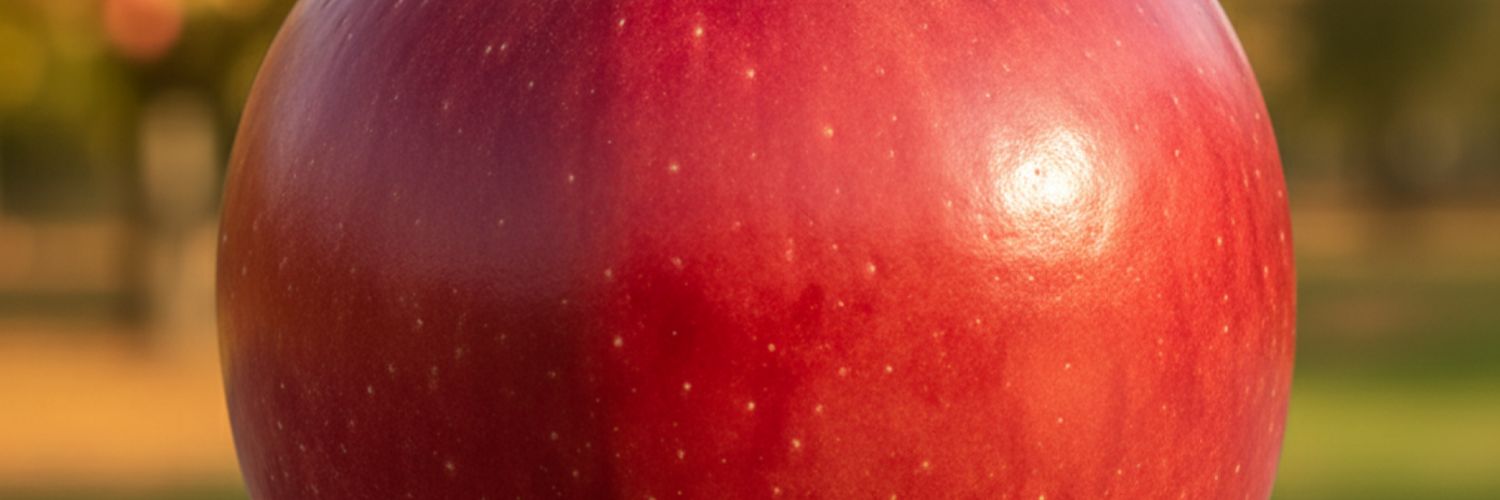
Autumn Crisps are delightful for fresh eating, sweet enough to tease the taste buds while maintaining a satisfying crunch. They’re also fantastic for baking, juicing, and dehydrating, offering versatility in both family recipes and long-term storage.
Medicinal
Apples naturally contain dietary fiber and vitamin C, which support digestion and boost immune function, contributing to overall health. While not a medicinal powerhouse, integrating apples into your diet can enhance a well-rounded approach to nutrition.
Guiding newcomers to the homesteading lifestyle is something I cherish deeply. Trying new varieties like the Autumn Crisp helps me learn and share knowledge that can light the path for others. As this sapling grows, I look forward to updating my insights and successes to help you build a resilient, thriving homestead.
Where To Buy
NOTE: This article is produced through a hybrid process of both personal experience and AI generated content. All plant varieties listed are actual crops and varieties grown on my property along with my personal experiences. Plant facts and information are AI generated to provide expanded information and context (plant size, soil, etc). AI can make mistakes and it is best to verify information before applying it.