
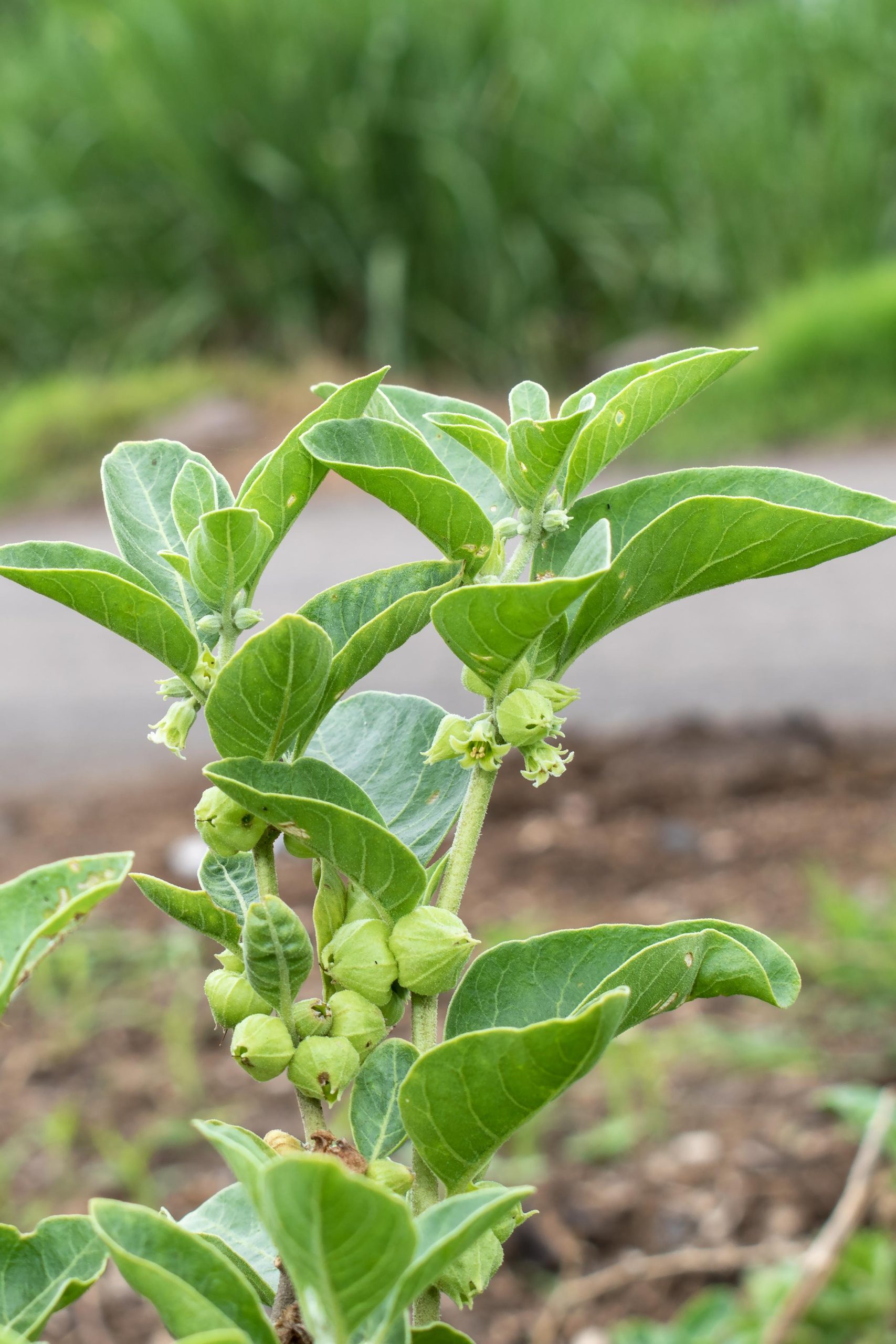
Withania somnifera
| Plant Zones | Zones 4-7 Annual | Zones 8-11 Perennial |
| Soil Type | Sandy, Rocky, Loamy, Well-drained soil |
| Soil pH | 7.0-8.0 preferred |
| Light | Full Sun 6-8hrs per day |
| Water | Low to moderate, drought tolerant once established |
| Bearing Age | Roots harvestable in 5-7 months |
| Bloom Time | Mid to Late Summer |
| Pollination | Self-pollinating |
| Harvest Time | Fall, after berries ripen and foliage yellows |
| Average Yield | 0.5-1 lb dried root per mature plant |
| Uses | Medicinal roots for help with stress and sleep |
About
Ashwagandha is an herb used for thousands of years in traditional Ayurvedic medicine. It’s often called “Indian ginseng” or “winter cherry,” although it’s not actually related to ginseng.
Today it’s mainly marketed as a stress, sleep, and recovery supplement.
Ashwagandha is considered an “adaptogen,” meaning it may help the body adapt to stress. The strongest evidence is around:
- Stress reduction
- Sleep improvement
- Mild anxiety support
Ashwagandha is actually a fairly practical plant to grow if you live in a hot, dry climate. It behaves more like a drought-tolerant medicinal shrub than a delicate herb. The roots are usually harvested after 5-7 months.
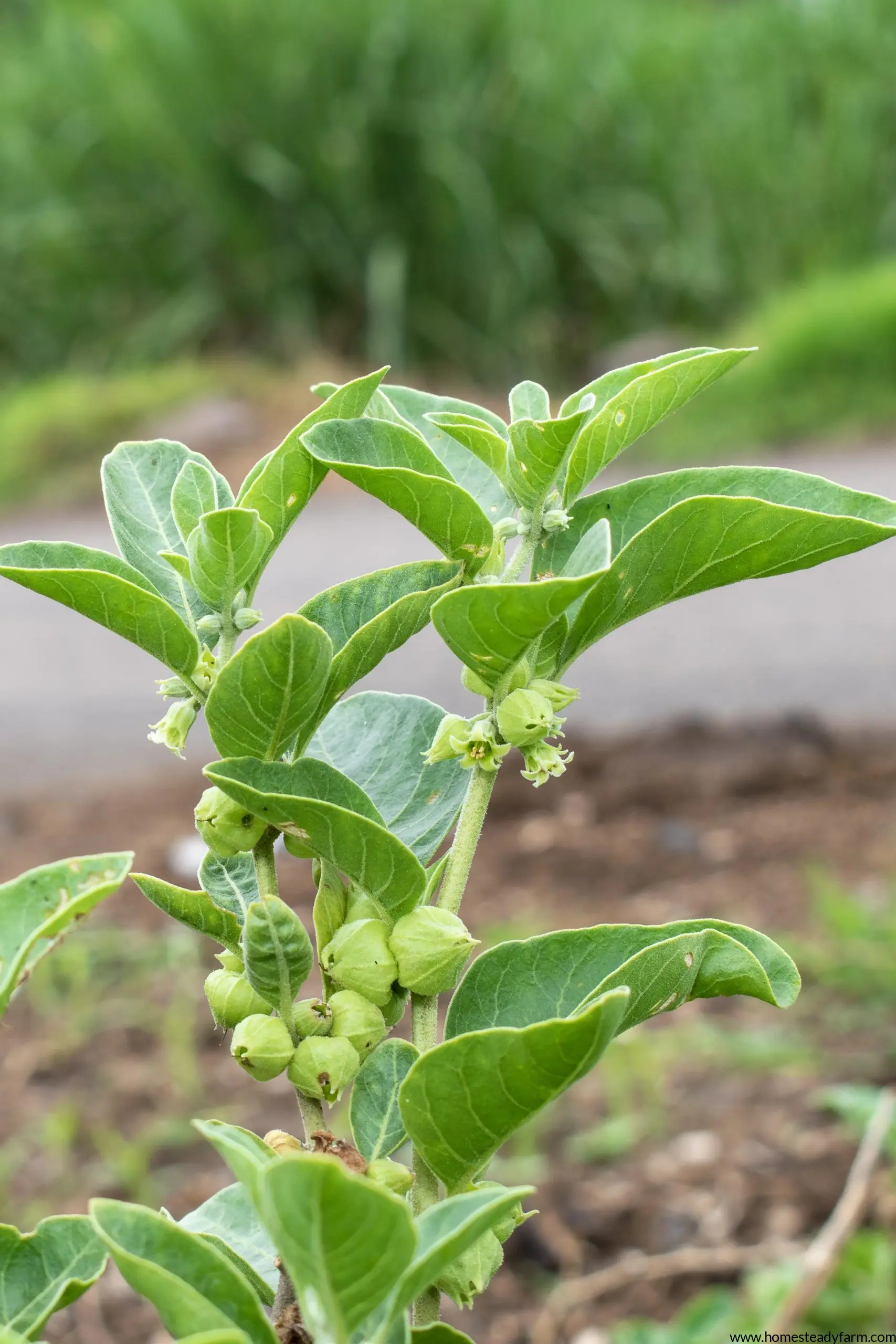
Lifecycle
| Germination | 1-3 weeks in warm soil |
| Growth | Grows rapidly in warm weather |
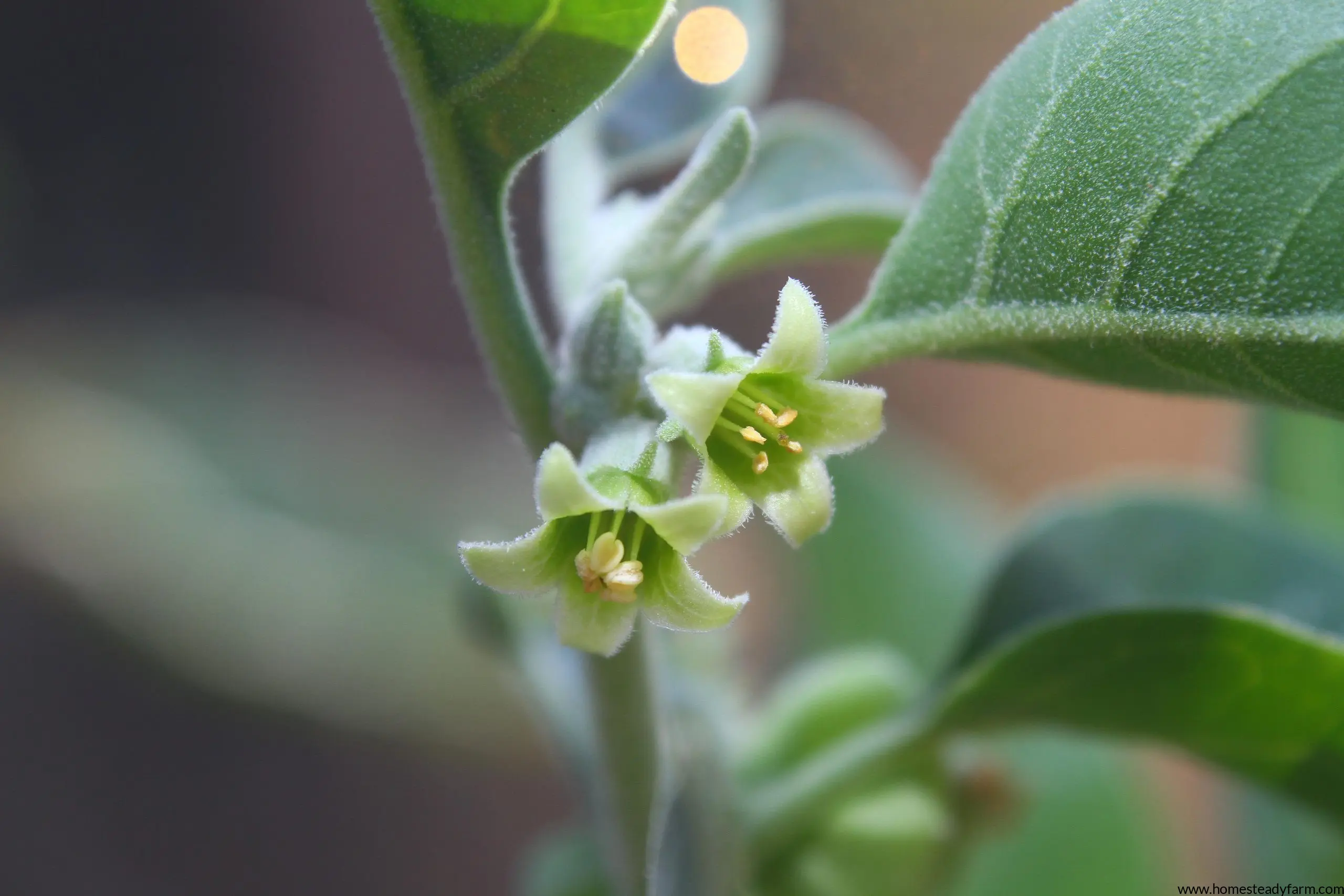
| Flowering | Small green-yellow flowers appear mid-season |
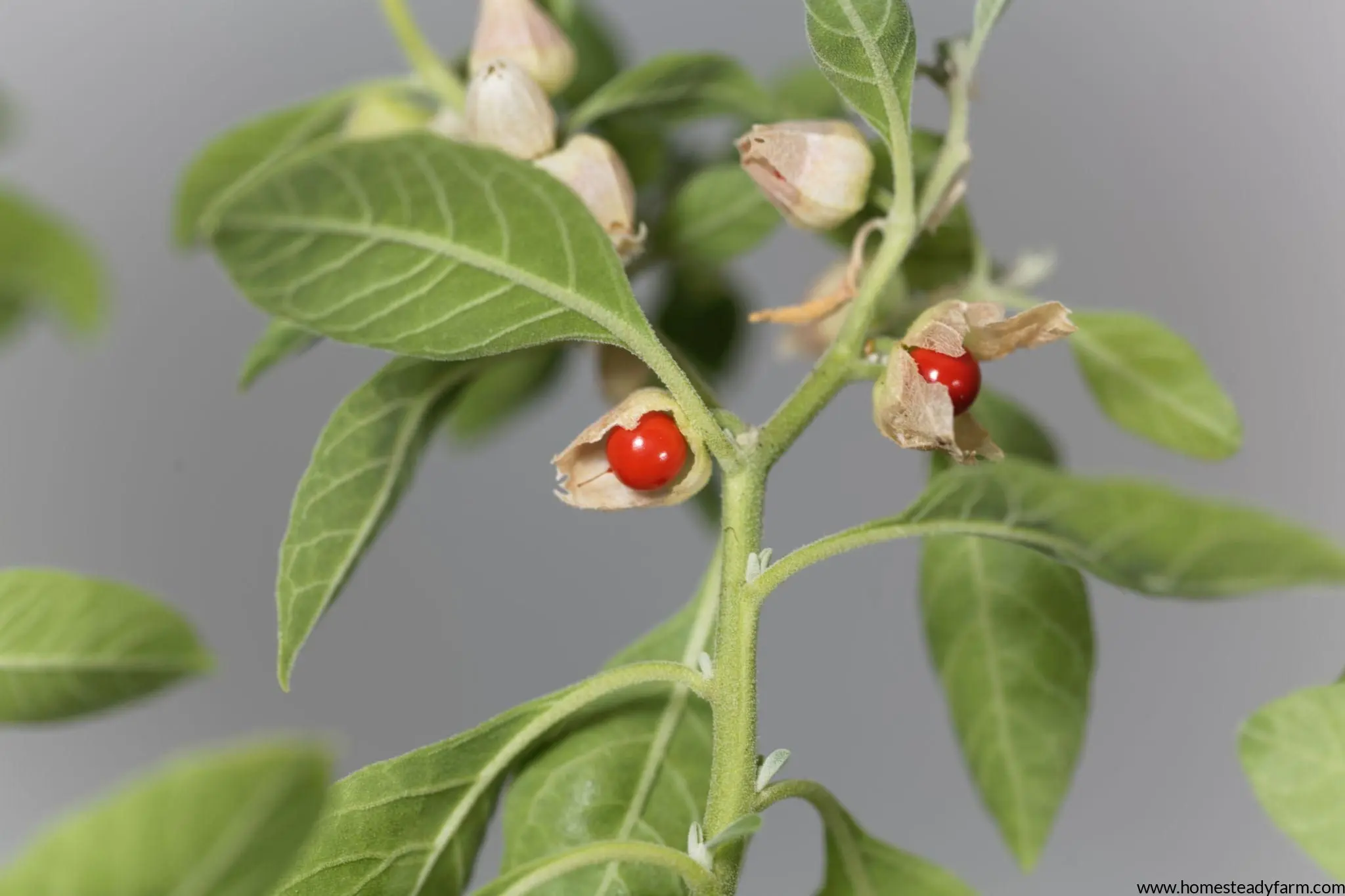
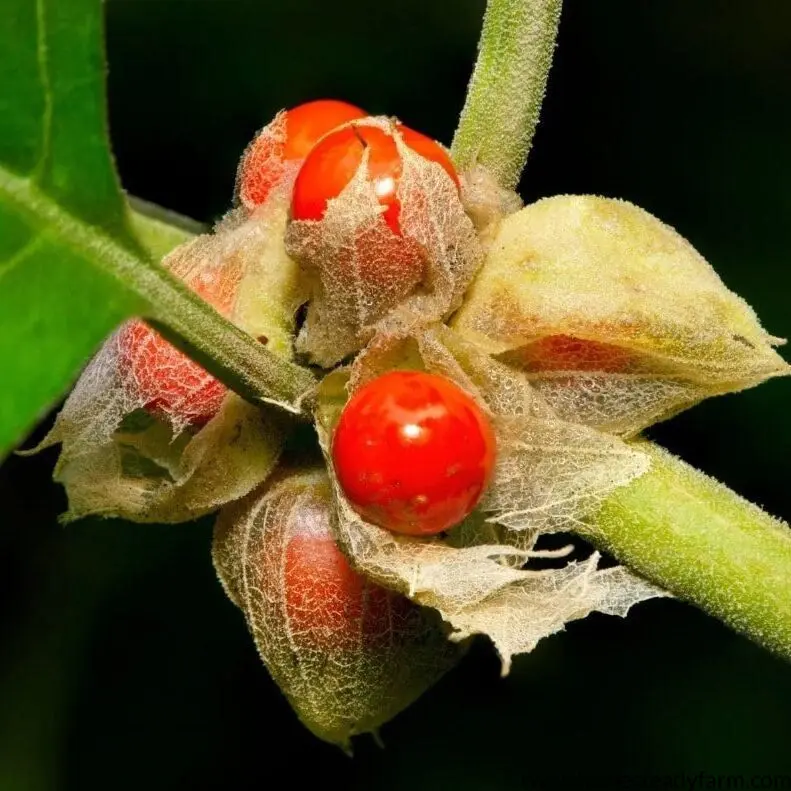
| Fruiting | Orange-red berries form inside papery husks |
| Maturation | End season concentration of medicinal compounds in roots |
| Harvest | Uproot entire plant to harvest roots |
Plant Characteristics
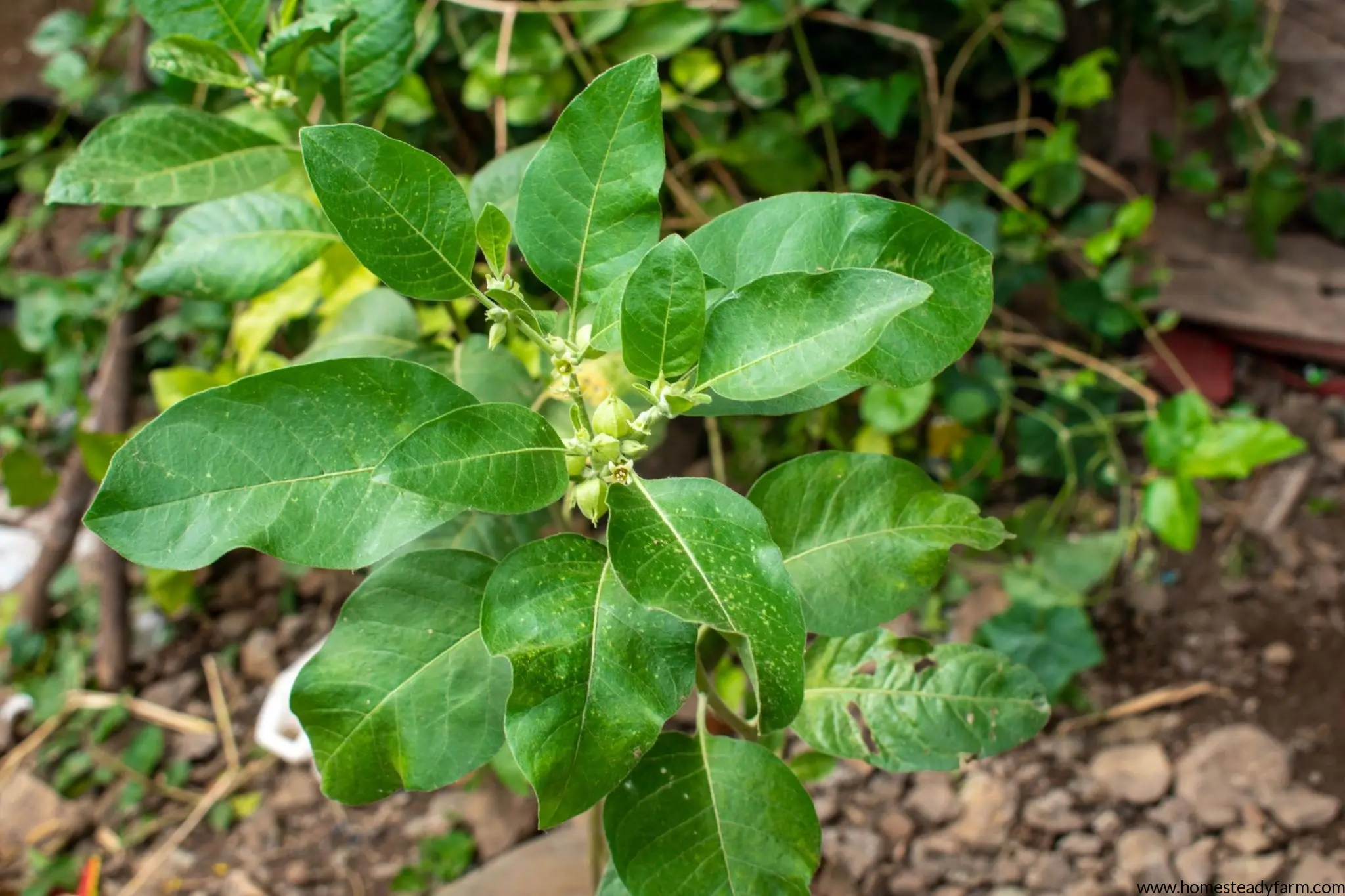
| Botanical Type | Evergreen shrub |
| Medicinal Category | Adaptogenic herb |
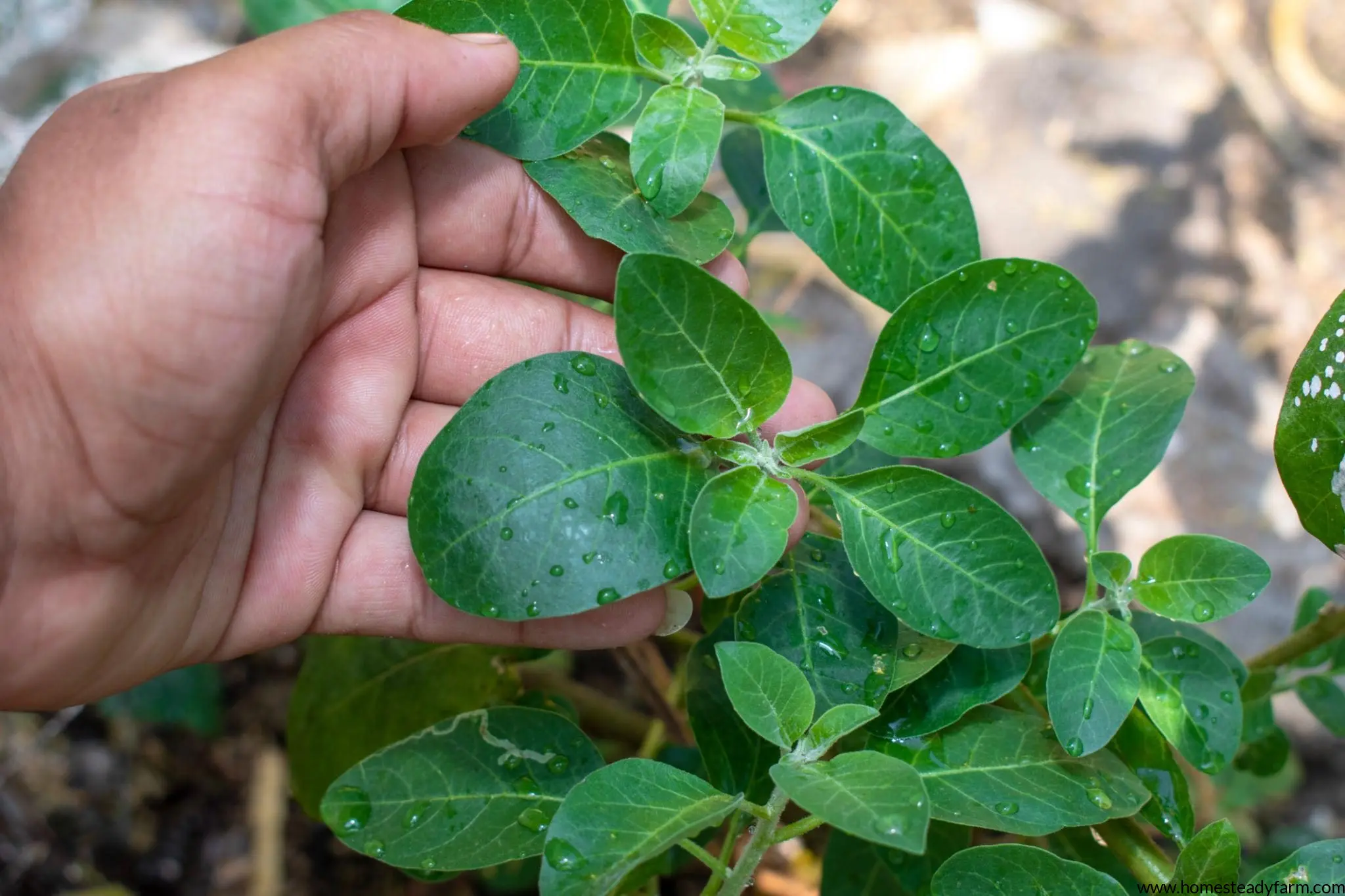
| Growth Habit | Bushy, branching |
| Height | 2-4ft |
| Spread | 2-4ft |
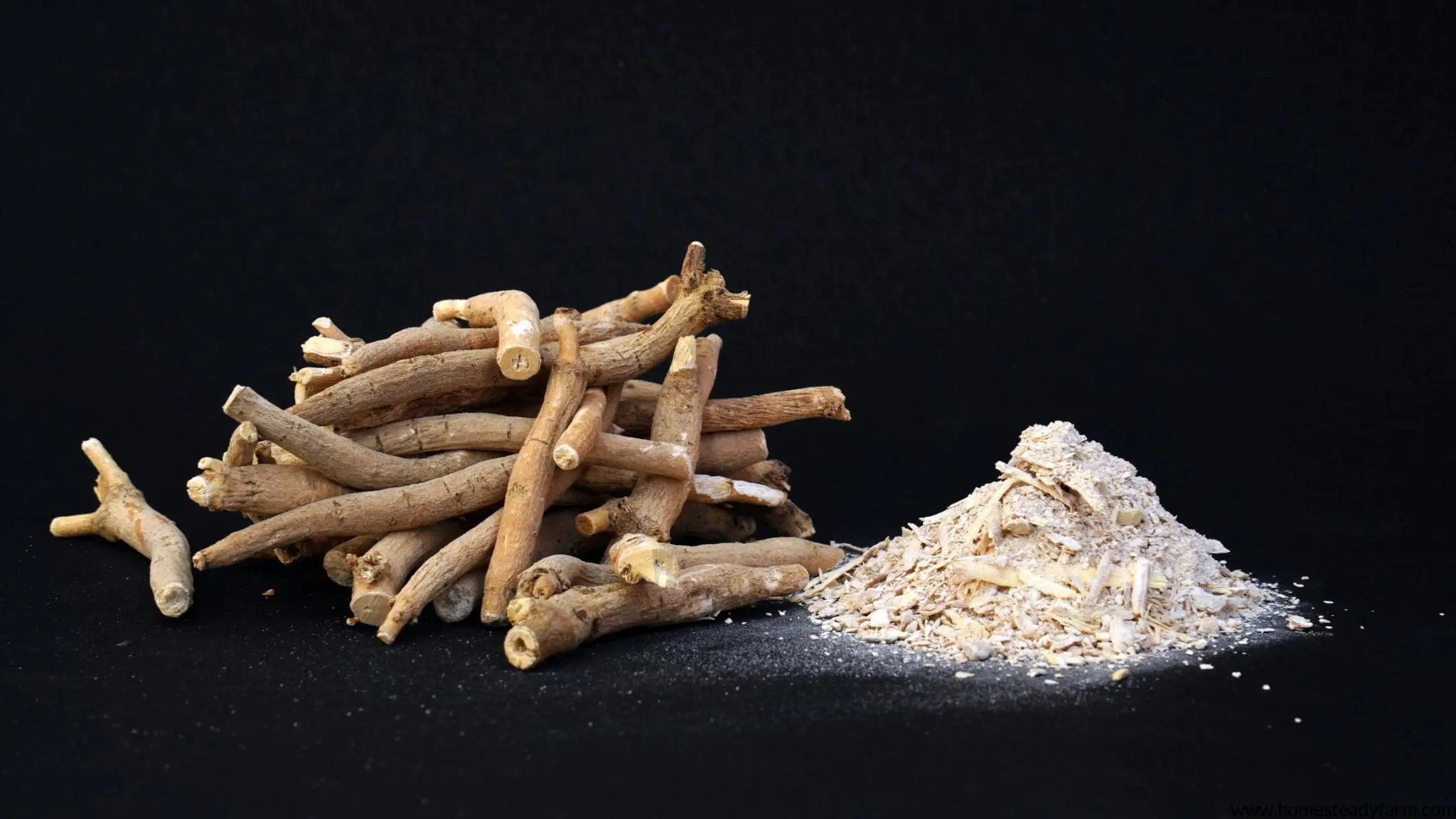
| Root | Thick taproot with branching roots |
Flowers & Pollination
| Flower Color | Pale green-yellow |
| Flower Size | Small, inconspicuous |
| Pollinators | Bees and small insects |
| Pollination | Primarily self-fertile |
| Berries | Red-orange berries inside lantern-like husks |
Fruit Characteristics
| Fruit | Main harvest is the root (not the berries) |
| Appearance | Light tan, fibrous, aromatic |
| Yield | Best in dry climates, lean soil |
| Harvest | Uproot plant, keep root |
| Processing | Clean root, dry, grind into powder |
| Usage | Medicinal for sleep support, calming |
Nutrition
| Withanolides | Main active medicinal compound |
| Alkaloids | Present in small amounts |
| Iron | Naturally contains trace iron |
| Antioxidants | Present in leaves and roots |
Best Growing Environment
| Temperature | 70-95 degrees preferred |
| Humidity | Low humidity preferred |
| Frost | Poor tolerance |
| Wind | Moderate tolerance |
| Elevation | Best in lower-elevation, drier regions |
| Rainfall | Low to moderate |
Ecological Value
| Pollinators | Good for small pollinators |
| Water | Low water needs |
| Soil | Grows in poor soils |
| Companion | Good in dryland medicinal gardens |
| Wildlife | Birds enjoy the berries |
| January | Order seeds |
| February | Start indoor seedlings |
| March | Maintain or pot-up indoor seedlings |
| April | Plant outdoors, after danger of frost |
| May | Direct sow seed outdoors, after danger of frost |
| June | Add light compost, irrigate as needed |
| July | Irrigate as needed |
| August | Flowering phase, reduce watering frequency |
| September | Berries mature |
| October | Leaves begin to yellow, harvest roots, drying process |
| November | Save seeds from berries, store dried roots |
| December | Clean and amend beds for next year |
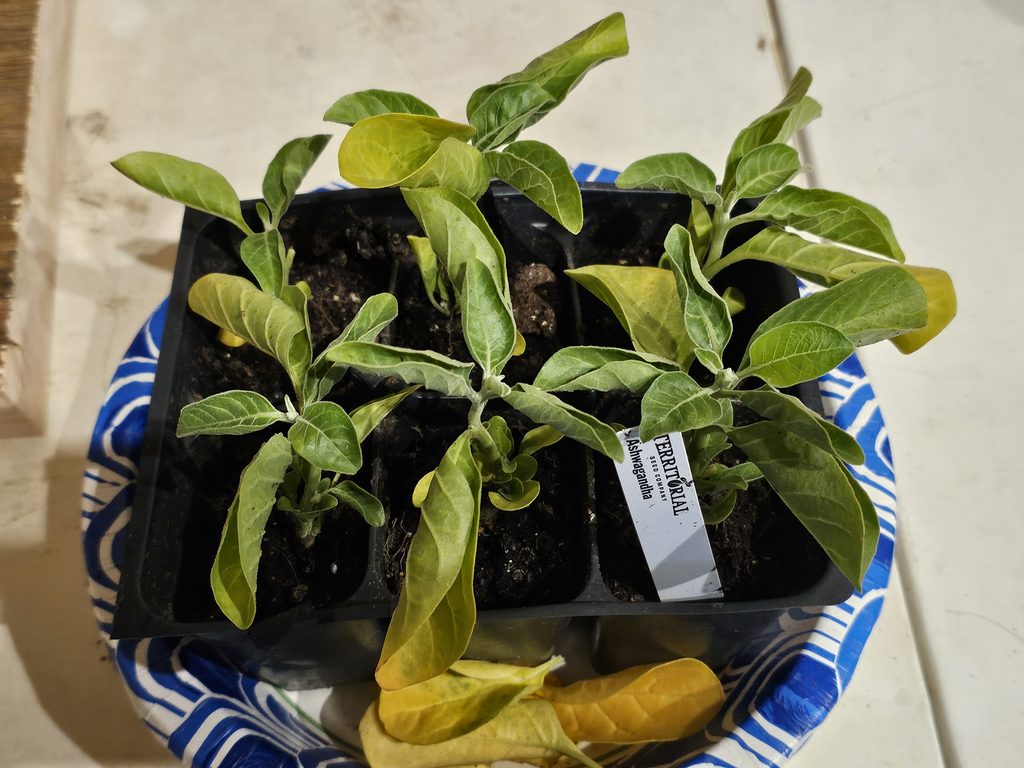
Personal Experience
I purchased small Ashwagandha plants from Territorial Seed company (link below) since this is my first time growing it.
I planted my baby plants in one of my warmer greenhouses. Planting beds contain a mix of potting soil and peat moss, so it’s very light and dry.
May 2026: Received my plants, planted in greenhouse.
June 2026: Slow growing so far, but it also hasn’t been particularly warm lately.
Where to Buy

Territorial Seed Company
I love the variety, quality, and price of Territorial Seed and order from them every year to expand my collection.